

Left Pelvic Pain in Females: Common Causes and Symptoms
Left pelvic pain in females may be linked to ovulation, ovarian cysts, endometriosis, uterine fibroids, pelvic infections, urinary concerns, or digestive conditions. The discomfort may feel sharp, dull, cramping, or pressure-like and can occur with bloating, abnormal bleeding, urinary changes, or nausea. At Cobb Women’s Health, board-certified gynecologists Dr. Nandita Mainthia, MD, FACOG, and Dr. Hitendra Hansalia, MD, FACOG, evaluate persistent or recurring pelvic pain to help determine its cause. Proper evaluation can guide appropriate treatment and identify symptoms that may require prompt medical attention. For more information, contact us today or request an appointment online. We are conveniently located at 1810 Mulkey Road Suite 102, Austell, GA 30106.
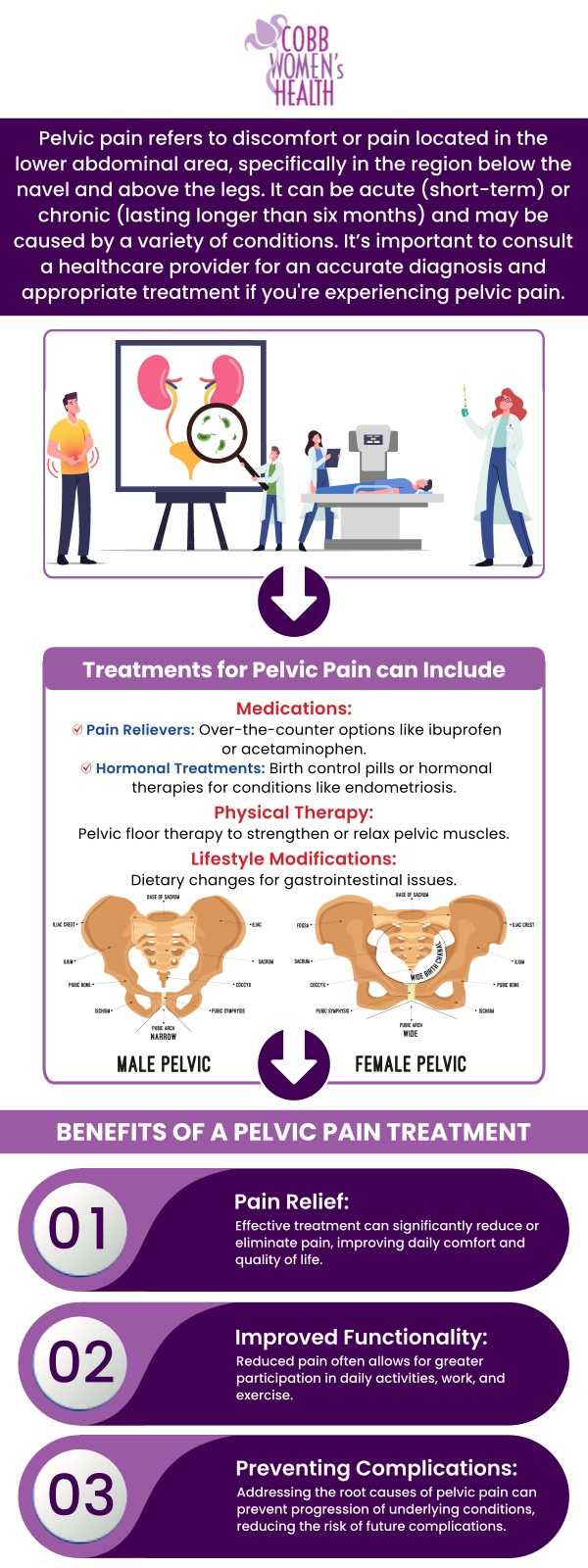
Table of Contents:
What are the common causes of left pelvic pain in females?
Can an ovarian cyst cause left-sided pelvic discomfort?
Is left pelvic pain in females sometimes related to the menstrual cycle?
When should persistent or severe left pelvic pain be medically evaluated?
How do the board-certified gynecologists at Cobb Women’s Health, Dr. Nandita Mainthia, MD, FACOG, and Dr. Hitendra Hansalia, MD, FACOG, evaluate left pelvic pain?
At Cobb Women’s Health, we understand that left pelvic pain in women can be concerning and disruptive. This type of pain may arise from various causes, often related to the reproductive, urinary, or gastrointestinal systems. Many of the most common sources are gynecological in nature, and our experienced providers specialize in diagnosing and treating these conditions to help you find relief.
Common Gynecological Causes:
• Ovarian cysts are a frequent source of discomfort, especially if they grow large, rupture, or twist. Our team at Cobb Women’s Health can evaluate for cysts using advanced technology and recommend the best management options.
• Endometriosis is another condition we routinely diagnose and treat. It occurs when tissue similar to the uterine lining grows outside the uterus, often causing chronic or cyclic pelvic pain, which may be localized to the left side.
• Uterine fibroids, benign growths in the uterus, can also lead to pressure or pain depending on their size and location. We provide personalized care plans for fibroid management tailored to your individual needs.
Other Potential Causes:
• Gastrointestinal issues such as diverticulitis (inflammation of small pouches in the colon–most commonly on the left side), constipation, and irritable bowel syndrome (IBS) can contribute to pelvic discomfort.
• Additionally, urinary tract infections (UTIs) or kidney stones may cause pain that radiates to the left pelvic area.
Because left pelvic pain can have a wide range of causes—some of which may be serious—it’s important not to ignore new, severe, or persistent symptoms. At Cobb Women’s Health, we are dedicated to providing compassionate, comprehensive evaluations to identify the cause of your pain and offer the most effective treatment options.
If you are experiencing left pelvic pain, schedule an appointment with Cobb Women’s Health today for expert diagnosis and personalized care.
At Cobb Women’s Health, we often see patients concerned about pelvic discomfort, particularly when the pain is isolated to one side. Yes, an ovarian cyst can cause left-sided pelvic discomfort, especially if the cyst is located on your left ovary. Ovarian cysts are fluid-filled sacs that can develop on either ovary. Many cysts are small and harmless, but some can grow larger or become irritated, leading to pain or discomfort.
Typically, discomfort from an ovarian cyst is felt on the same side of the pelvis as the affected ovary—in this case, the left. The pain can vary: it may be dull and persistent, or it may come and go. It’s not uncommon for the discomfort to become more noticeable during activities such as exercise, intercourse, or even when having a bowel movement. In rare cases, if a cyst ruptures or causes the ovary to twist (a condition called ovarian torsion), the pain can become sudden and severe.
Other symptoms that may accompany left-sided pelvic discomfort due to an ovarian cyst include:
• Bloating or a sense of abdominal fullness
• Irregular menstrual periods
• Changes in urinary or bowel habits
However, it’s important to note that these symptoms can also be caused by other conditions, so a thorough evaluation is important.
When to Seek Medical Attention: If you experience persistent or severe pelvic pain—especially if it’s sudden or accompanied by fever, vomiting, or fainting—it’s important to seek prompt medical care. At Cobb Women’s Health, our providers are experienced in diagnosing and managing ovarian cysts and other causes of pelvic pain. We use physical exams and a careful review of your medical history to determine the cause of your symptoms.
Personalized Care at Cobb Women’s Health: Treatment for ovarian cysts depends on the size and type of the cyst, your age, and your symptoms. Many ovarian cysts resolve on their own, but some may require medication or, rarely, surgical intervention. At Cobb Women’s Health, we are committed to providing compassionate, individualized care and will work with you to find the best management plan for your needs.
If you are experiencing pelvic discomfort or have concerns about ovarian cysts, please contact Cobb Women’s Health to schedule an appointment. Your health and well-being are our top priorities.
At Cobb Women’s Health, we understand that left pelvic pain in females can sometimes be related to the menstrual cycle. Many women experience pelvic discomfort as part of their normal cycle due to hormonal changes that affect the uterus and surrounding structures. This pain—often referred to as dysmenorrhea—can occur before or during menstruation as the uterus contracts to shed its lining. Some women also notice discomfort around ovulation, which typically happens mid-cycle.
However, it’s important to recognize that not all pelvic pain is simply a normal part of the menstrual cycle. Conditions such as endometriosis, ovarian cysts, or fibroids can also cause cyclical, left-sided pelvic pain. At Cobb Women’s Health, our experienced providers are dedicated to helping you determine the underlying cause of your symptoms. If you experience persistent or severe pelvic pain, we encourage you to schedule a consultation so we can provide a thorough evaluation and develop a treatment plan tailored to your needs. Your comfort and well-being are our top priorities.
At Cobb Women’s Health, your well-being is our top priority. Persistent or severe left pelvic pain should not be ignored—especially if it lasts more than a few days, interferes with your daily activities, or is accompanied by symptoms such as fever, nausea, vomiting, abnormal vaginal bleeding or discharge, painful urination, blood in the urine or stool, or unexplained weight loss.
You should seek immediate medical attention if your pain is sudden and intense, occurs after an injury, is associated with fainting, dizziness, difficulty breathing, or if you are experiencing severe pain. These symptoms may signal serious underlying conditions such as pelvic infections, ovarian cysts, kidney stones, gastrointestinal issues, or other reproductive or urinary tract concerns that require prompt diagnosis and treatment.
Early evaluation by our experienced providers at Cobb Women’s Health helps ensure you receive appropriate care and can prevent potential complications. If you are experiencing persistent or severe pelvic pain, or if you’re unsure about your symptoms, please contact our office promptly—your health and peace of mind matter to us.
The board-certified gynecologists at Cobb Women’s Health, Dr. Nandita Mainthia, MD, FACOG, and Dr. Hitendra Hansalia, MD, FACOG, evaluate left pelvic pain by reviewing when the pain began, how severe it is, whether it comes and goes, and whether it is related to the menstrual cycle. They may also ask about abnormal bleeding, vaginal discharge, urinary symptoms, digestive changes, and pain during intercourse. Left-sided pelvic pain may be associated with conditions such as ovarian cysts, endometriosis, uterine fibroids, ovulation-related discomfort, pelvic infection, or non-gynecologic causes. Based on the symptoms and medical history, Dr. Mainthia and Dr. Hansalia may perform a pelvic examination and recommend appropriate diagnostic testing when clinically indicated. The goal is to identify the source of the pain and determine whether monitoring, treatment, or additional evaluation is needed. Sudden or severe pelvic pain, especially with heavy bleeding, fever, fainting, or vomiting, may require prompt medical attention. For more information, contact us today or request an appointment online. We are conveniently located at 1810 Mulkey Road Suite 102, Austell, GA 30106! We serve patients from Austell GA, Lithia Springs GA, Mableton GA, Powder Springs GA, Fair Oaks GA, Hiram GA, Clarkdale GA, Smyrna GA, Marietta GA and surrounding areas.

Check Out Our 5 Star Reviews


Additional Services You May Need


 Send Text
 How May I Help You?
