

How Do Menstrual Cycles Affect Lower Abdominal Pain in Females?
Menstrual cycles can significantly impact lower abdominal pain in females, with many experiencing discomfort due to hormonal fluctuations, uterine contractions, or endometrial growth. Board-certified gynecologists, Dr. Nandita Mainthia, MD, FACOG, and Dr. Hitendra Hansalia, MD, FACOG, at Cobb Women’s Health in Austell, GA, specialize in diagnosing and treating conditions related to menstrual pain, offering personalized treatment plans to help alleviate symptoms and improve overall health. Contact us for more information or schedule an appointment. We are conveniently located at 1810 Mulkey Road Suite 102, Austell, GA 30106.
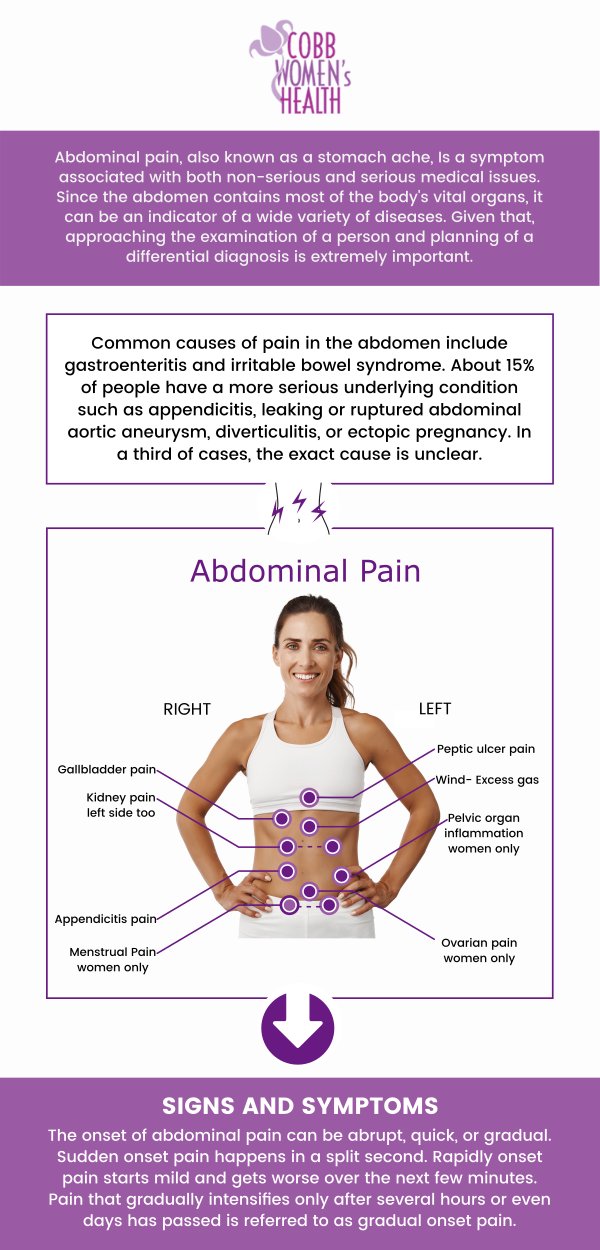
Table of Contents:
How does menstrual pain contribute to lower abdominal pain in females?
When should I see a doctor for lower abdominal pain?
Is it normal to experience severe lower abdominal pain during menstruation?
What are the most common causes of lower abdominal pain during menstruation?
Find Solutions for Lower Abdominal Pain with Dr. Nandita Mainthia and Dr. Hitendra Hansalia at Cobb Women’s Health in Austell, GA
At Cobb Women’s Health, we know that menstrual pain (dysmenorrhea) is a frequent and often distressing concern for many women in their reproductive years. If you experience lower abdominal pain just before or during your period, you’re not alone—this is a very common reason patients seek our care.
Menstrual pain, also known as dysmenorrhea, is one of the most common causes of lower abdominal pain in females. During menstruation, the uterus contracts to help shed its lining, and these contractions are driven by the hormone prostaglandin. Higher levels of prostaglandins can lead to stronger, more painful contractions, causing cramping in the lower abdomen. This discomfort often begins a day or two before menstruation starts and can last anywhere from a few hours to a few days, affecting the quality of life for many women.
The pain associated with menstruation typically occurs in the lower abdomen but can also radiate to the lower back and thighs. While some degree of menstrual cramping is normal, it can become severe for some women, leading to significant pain and discomfort. Factors such as hormonal imbalances, uterine abnormalities (like fibroids or adenomyosis), or underlying conditions such as endometriosis can intensify the pain. It’s essential for women experiencing unusually severe or prolonged menstrual pain to seek medical advice, as it could indicate an underlying health condition that requires treatment.
Our team at Cobb Women’s Health specializes in identifying the causes of menstrual pain and creating personalized treatment plans. Whether your pain is due to typical menstrual changes or an underlying condition, our goal is to help you find relief and improve your quality of life. We’re here to support your health and well-being every step of the way.
At Cobb Women’s Health, we understand that lower abdominal pain is a common concern for many women and can have a variety of causes. Here are some signs that indicate you should see a doctor for lower abdominal pain:
• Severe or Unusual Pain: If the pain is intense or significantly different from your normal menstrual cramps.
• Pain Lasting More Than a Few Days: If the pain persists longer than typical menstrual discomfort or doesn’t improve with over-the-counter remedies.
• Heavy Bleeding: If you experience unusually heavy menstrual bleeding (soaking through multiple pads or tampons in an hour).
• Pain Accompanied by Fever or Nausea: These symptoms could indicate an infection, such as pelvic inflammatory disease (PID).
• Pain During or After Sex: Pain during or after intercourse that is new or severe should be evaluated by a doctor.
• Pain with Urination or Bowel Movements: If the pain is associated with difficulty urinating or painful bowel movements, it may indicate an underlying condition like endometriosis or infection.
• Chronic Pain: If you experience recurring abdominal pain during menstruation, it could be due to conditions like endometriosis or fibroids, which require medical evaluation and management.
• Sudden Severe Pain: If you experience sudden, sharp abdominal pain, it could indicate an emergency, such as an ovarian cyst rupture.
If you’re experiencing any of the above symptoms or have concerns about your lower abdominal pain, it’s important to seek medical attention. Dr. Nandita Mainthia and Dr. Hitendra Hansalia, both board-certified specialists at Cobb Women’s Health in Austell, GA, are here to provide expert care and help identify the underlying cause of your discomfort.
Many women experience some degree of lower abdominal discomfort or cramping during their menstrual period—a condition known as dysmenorrhea. Mild to moderate pain is common and usually occurs just before or during the first few days of menstruation. This discomfort is typically the result of the uterus contracting to shed its lining.
However, if you are experiencing severe lower abdominal pain during your period, it may be a sign of an underlying medical issue and should not be considered normal. Severe pain that interferes with your daily activities, fails to improve with over-the-counter medications, or is accompanied by symptoms like heavy bleeding, nausea, vomiting, or fever warrants further evaluation. Conditions such as endometriosis, uterine fibroids, pelvic inflammatory disease, or adenomyosis can all cause significant menstrual pain and require attention from a women’s health specialist.
At Cobb Women’s Health, our compassionate providers are dedicated to helping you find relief from menstrual pain and addressing any underlying conditions that may be affecting your health and quality of life.
At Cobb Women’s Health, we understand that lower abdominal pain during menstruation is a common concern for many women. Most often, this discomfort is caused by natural processes within the menstrual cycle, particularly menstrual cramps—known medically as dysmenorrhea. These cramps result from the uterus contracting to shed its lining, a process influenced by hormone-like substances called prostaglandins.
Here are the most common causes of lower abdominal pain during menstruation:
• Dysmenorrhea (Menstrual Cramps): The most common cause where the uterus contracts to shed its lining, leading to pain.
• Endometriosis: A condition where tissue similar to the uterine lining grows outside the uterus, causing pain during menstruation.
• Fibroids: Non-cancerous growths in the uterus that can cause pain and heavy menstrual bleeding.
• Pelvic Inflammatory Disease (PID): An infection of the reproductive organs that can cause pain during menstruation.
• Ovarian Cysts: Fluid-filled sacs on the ovaries that can cause pain, especially during the menstrual cycle.
• Adenomyosis: When the tissue that normally lines the uterus grows into the muscular wall of the uterus, leading to painful periods.
• Cervical Stenosis: A narrowing of the cervix that can obstruct menstrual flow and cause pain.
• Hormonal Imbalances: Fluctuations in hormones like estrogen and progesterone can contribute to menstrual pain.
At Cobb Women’s Health, our experienced providers are dedicated to helping you find relief and answers. Early evaluation can help identify underlying conditions and ensure you receive the personalized care you deserve.
Lower abdominal pain in females can result from a variety of causes, including menstrual issues, pelvic inflammatory disease, or more complex conditions like endometriosis. Dr. Nandita Mainthia and Dr. Hitendra Hansalia, both board-certified physicians at Cobb Women’s Health in Austell, GA, specialize in identifying the underlying causes of lower abdominal pain and providing targeted treatments. Their compassionate approach ensures that each patient receives a personalized plan that addresses their unique symptoms and medical history, offering both short-term relief and long-term management strategies.
At Cobb Women’s Health, Dr. Mainthia and Dr. Hansalia are committed to providing the highest level of care using the latest medical techniques and technology. Whether the pain is related to menstruation, reproductive health, or other pelvic conditions, their expert team works with patients to create an effective treatment plan. Contact us for more information or schedule an appointment. We are conveniently located at 1810 Mulkey Road Suite 102, Austell, GA 30106. We serve patients from Austell GA, Lithia Springs GA, Mableton GA, Powder Springs GA, Douglasville GA, Fair Oaks GA, Hiram GA, Clarkdale GA, Smyrna GA, and Marietta GA

Check Out Our 5 Star Reviews


Additional Services You May Need


 Send Text
 How May I Help You?
