

What Are the Benefits of a Hysterectomy?
At Cobb Women’s Health, Board certified Dr. Nandita Mainthia, MD, FACOG, and Dr. Hitendra Hansalia, MD, FACOG, provide personalized gynecological care for women considering a hysterectomy. Our team carefully evaluates each patient’s symptoms, medical history, and individual health concerns to determine whether a hysterectomy is an appropriate treatment option. This procedure may offer lasting relief from heavy menstrual bleeding, uterine fibroids, chronic pelvic pain, and other uterine conditions that affect daily comfort and quality of life. We focus on helping patients understand the potential benefits, available treatment options, and recovery process so they can make informed decisions about their reproductive health and long-term well-being. Contact us for more information or schedule an appointment. We are conveniently located at 1810 Mulkey Rd SW, Suite 102, Austell, GA 30106.
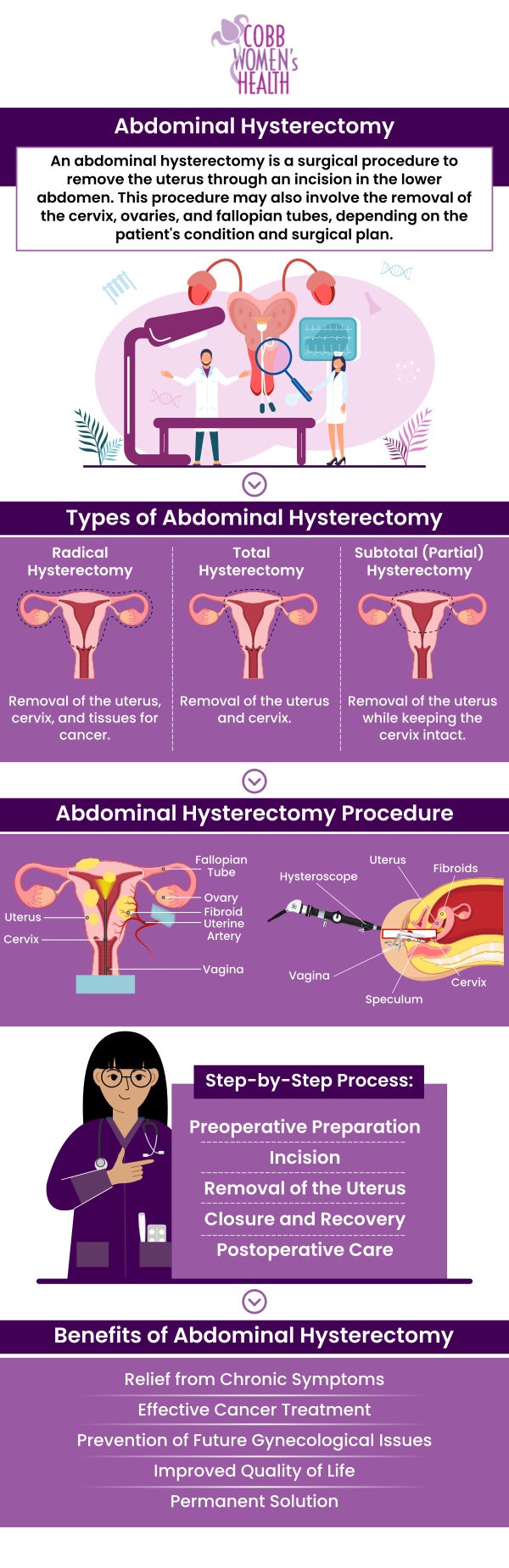
Table of Contents:
The Life-Changing Benefits of a Hysterectomy
Quality of Life Improvements After Surgery
Minimally Invasive Hysterectomy Options in Austell, GA
Are There Alternatives to a Hysterectomy?
Will a hysterectomy put me into menopause immediately?
How long is the recovery time after a hysterectomy?
Will I gain weight after a hysterectomy?
Do I still need Pap smears after having a hysterectomy?
Is a hysterectomy considered a major surgery?
Schedule Your Hysterectomy Consultation at Cobb Women’s Health
A hysterectomy—the surgical removal of the uterus—is a definitive medical treatment for women suffering from chronic, severe gynecologic conditions. While typically recommended after non-surgical options have been fully explored, it provides long-term relief and restores everyday quality of life when conservative therapies prove insufficient.
• Permanent Relief from Heavy, Prolonged Bleeding: Abnormally heavy or irregular bleeding can significantly interfere with daily activities and lead to severe fatigue or anemia. A hysterectomy offers a permanent solution by eliminating uterine bleeding when medications or minor procedural options no longer work effectively.
• Ending Chronic Pelvic Pain (Endometriosis & Adenomyosis): Adenomyosis occurs when uterine lining tissue grows into the muscular wall, while endometriosis involves similar tissue growing outside the uterus. A hysterectomy is the only permanent cure for adenomyosis and dramatically decreases persistent pain caused by severe endometriosis.
• Effective Treatment for Uterine Fibroids: Fibroids are non-cancerous uterine growths that cause pressure, pelvic pain, backaches, and heavy menstrual cycles. Removing the uterus resolves these symptoms permanently, eliminating the risk of new fibroids developing in the future.
• Correcting Uterine Prolapse: When pelvic floor muscles and ligaments weaken, the uterus can descend into the vaginal canal, causing discomfort and urinary or bowel dysfunction. A hysterectomy removes the prolapsed organ to restore proper anatomical support and comfort.
• Prevention and Treatment of Gynecologic Cancers: For women facing cervical, uterine, or ovarian cancers—or those with high genetic risks—a hysterectomy serves as a vital, life-saving preventive or therapeutic surgical intervention.
Addressing the underlying source of chronic pain and bleeding produces widespread benefits for a woman’s daily physical health and overall emotional well-being.
• Freedom from Menstrual Cycles: Patients no longer experience monthly periods, cramps, or unpredictable bleeding, freeing them from the ongoing burden and expense of monthly menstrual management.
• Improved Comfort and Intimacy: Gynecologic conditions like fibroids, endometriosis, and prolapse frequently make sexual intercourse painful. Eliminating pelvic pain and pressure allows women to restore healthy, comfortable intimate relationships.
• More Energy and Better Mental Well-being: Resolving chronic monthly blood loss cures underlying anemia, restoring physical stamina and vitality. Free from constant discomfort, patients frequently report improved sleep, reduced anxiety, and an elevated overall mood.
At Cobb Women’s Health in Austell, GA, surgical care prioritizes patient comfort and rapid healing through minimally invasive techniques that avoid traditional large open abdominal incisions.
• da Vinci® Robotic Surgery: For complex hysterectomies, doctors at Cobb Women’s Health utilize the advanced da Vinci® Surgical System. This robotic-assisted approach allows surgeons to operate with exceptional precision through a few tiny incisions. Compared to traditional open surgery, patients experience less post-operative pain, minimal scarring, lower risk of infection, shorter hospital stays, and a much faster return to normal daily activities.
Because a hysterectomy permanently ends childbearing ability, physicians explore all appropriate alternatives based on individual health goals and fertility preferences:
• Myomectomy: Surgical removal of uterine fibroids while preserving the uterus, helping relieve symptoms such as heavy menstrual bleeding, pelvic pain, and pressure.
• Endometrial Ablation: A quick procedure that removes or destroys the uterine lining to significantly reduce or stop heavy menstrual bleeding.
• Medical Management: Prescription hormone treatments or specialized medications that help control heavy menstrual bleeding, reduce fibroid size, and relieve pelvic discomfort.
Will a hysterectomy put me into menopause immediately?
Having a hysterectomy does not always lead to immediate menopause. Menopause occurs right away if both ovaries are removed, while keeping the ovaries usually allows hormone production to continue until menopause occurs naturally.
Recovery after a hysterectomy typically takes 2 to 8 weeks, depending on the surgical approach and individual health. Minimally invasive procedures generally have shorter recovery times than abdominal hysterectomies.
Weight gain is not an inevitable result of a hysterectomy. However, hormonal changes, reduced physical activity during recovery, and lifestyle factors may contribute to weight fluctuations.
Pap smears may no longer be necessary if your cervix was removed for a noncancerous condition and you have no history of significant cervical abnormalities. However, continued screening may be needed if your cervix remains or you have a history of cervical precancer or cancer.
Yes, a hysterectomy is considered major surgery because it involves removing the uterus. Although minimally invasive techniques may reduce recovery time and complications, the procedure still requires careful evaluation and postoperative care.
If chronic pelvic symptoms are affecting your health and daily life, expert evaluation is the first step toward lasting relief. Dr. Nandita Mainthia, MD, FACOG, and Dr. Hitendra Hansalia, MD, FACOG, offer personalized care tailored to your unique medical needs.
Contact us for more information or schedule an appointment. We are conveniently located at 1810 Mulkey Rd SW, Suite 102, Austell, GA 30106. We serve patients from Austell GA, Lithia Springs GA, Mableton GA, Powder Springs, GA, Fair Oaks GA, Hiram GA, Clarkdale GA, Smyrna GA, Marietta, GA, and surrounding areas.

Check Out Our 5 Star Reviews


Additional Services You May Need


 Send Text
 How May I Help You?

