

Is Pressure in the Lower Abdomen a Gynecological Concern?
Pressure in the lower abdomen can sometimes be related to gynecological concerns, including menstrual changes, pelvic conditions, hormonal changes, or other reproductive health factors. The cause may vary depending on symptoms, duration, and overall health history. A thorough evaluation by a gynecologist can help identify possible causes and determine appropriate care. At Cobb Women’s Health, Dr. Nandita Mainthia, MD, FACOG, and Dr. Hitendra Hansalia, MD, FACOG, offer comprehensive gynecological evaluations to understand better symptoms such as lower abdominal pressure, discomfort, or changes in pelvic health. Contact us for more information or schedule an appointment. We are conveniently located at 1810 Mulkey Rd SW Suite 102, Austell, GA 30106.
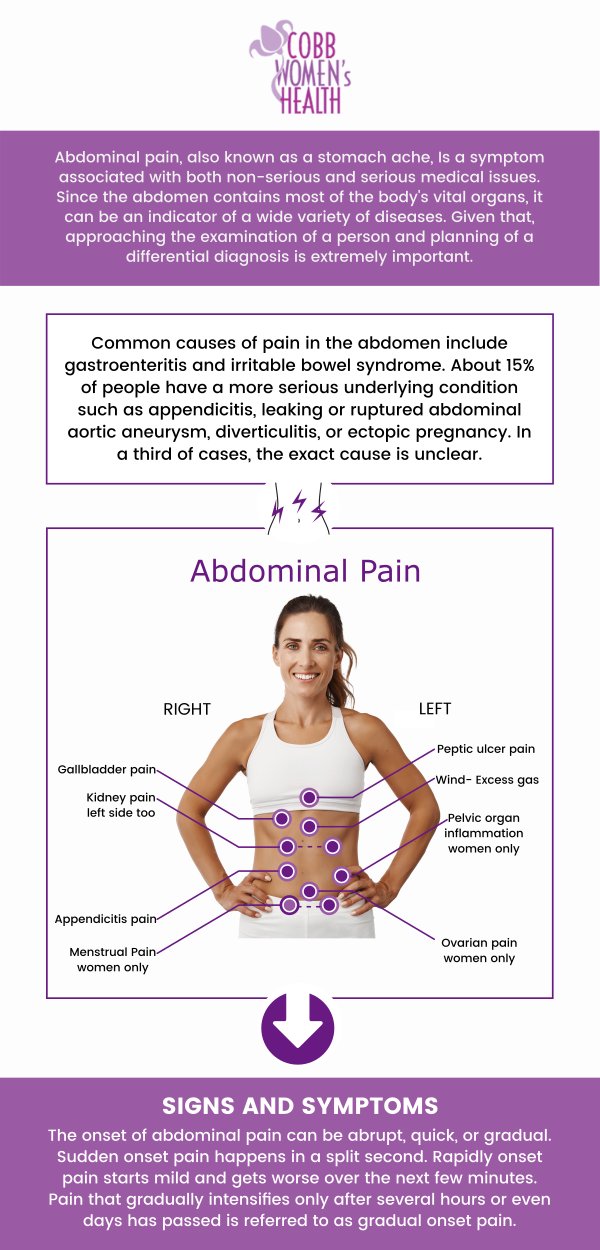
Table of Contents:
What causes pressure in the lower abdomen in females?
Can fibroids cause heaviness or pressure in the lower abdomen?
Can ovarian cysts cause pressure in the lower abdomen?
When should lower abdominal pressure in women be checked by a gynecologist?
Lower Abdominal Pressure Evaluation With Board-Certified Gynecologists at Cobb Women’s Health: Dr. Nandita Mainthia, MD, FACOG, and Dr. Hitendra Hansalia, MD, FACOG
Lower abdominal pressure in females may occur due to various factors, including natural body changes, digestive problems, urinary concerns, or gynecological conditions. Recognizing the potential causes can help determine when professional evaluation may be appropriate.
Common Causes of Lower Abdominal Pressure in Females Include:
• Menstrual Cycle Changes: Hormonal fluctuations during menstruation or ovulation may cause bloating, uterine contractions, or a feeling of pressure in the lower abdomen.
• Digestive Concerns: Constipation, gas, bloating, or conditions affecting the digestive system can contribute to abdominal fullness and discomfort.
• Urinary Issues: Urinary tract infections or bladder-related concerns may cause pelvic pressure, discomfort, frequent urination, or burning sensations.
• Ovarian Cysts: Particularly as they enlarge, fluid-filled sacs on the ovaries may cause pressure or fullness in the pelvic region.
• Uterine Fibroids: Noncancerous growths in the uterus can sometimes cause heaviness, pressure, or discomfort depending on their size and location.
• Endometriosis: Pelvic pressure, pain, and menstrual discomfort may be caused by tissue that resembles the lining of the uterus growing outside the uterus.
• Pelvic Infections or Inflammation: Certain infections or inflammatory conditions may lead to lower abdominal pressure along with pain, discharge, or fever.
At Cobb Women’s Health, our team provides personalized gynecological evaluations to help determine the underlying cause of lower abdominal pressure. By understanding your symptoms, health history, and concerns, our specialists can provide guidance and care options tailored to your individual needs.
The lower abdomen may feel heavy or compressed due to fibroids. Uterine fibroids are noncancerous growths that develop in or around the uterus and are common among women during their reproductive years. Depending on their size, number, and location, fibroids may create additional pressure within the pelvic area, leading to sensations of fullness, heaviness, or discomfort.
Some women with fibroids may notice that lower abdominal pressure becomes more noticeable during certain activities, after standing for extended periods, or as the day progresses. Fibroids may also be associated with other symptoms, including pelvic discomfort, lower back pressure, heavier menstrual bleeding, or a frequent urge to urinate when they place pressure on nearby organs.
Other health concerns may be causing lower abdominal pressure and pelvic symptoms. By assessing your symptoms, medical history, and relevant diagnostic results, our specialists offer guidance and care recommendations customized to your specific needs.
Ovarian cysts can sometimes cause pressure in the lower abdomen. Ovarian cysts are fluid-filled sacs that develop on or within the ovaries and are common among women during their reproductive years. When a cyst increases in size, it may take up additional space in the pelvic area and create a sensation of heaviness, fullness, bloating, or pressure.
Symptoms related to an ovarian cyst may differ based on its size, location, and specific type. Some smaller cysts may not cause noticeable symptoms and may only be identified during routine evaluations. Larger cysts may lead to ongoing lower abdominal pressure, pelvic discomfort, changes in menstrual patterns, pain during intercourse, or increased urinary frequency if they place pressure on nearby structures.
Our staff at Cobb Women’s Health offers thorough gynecological assessments to assist identify potential causes of lower abdominal pressure, such as ovarian cysts. Our professionals assist patients in understanding their problems and provide tailored advice for their reproductive health needs by thoroughly reviewing their symptoms, medical history, and relevant diagnostic evaluations.
Lower abdominal pressure may sometimes occur due to temporary concerns, but certain symptoms may indicate the need for a gynecological evaluation. Consider scheduling an appointment with a specialist if you experience:
• Persistent or worsening lower abdominal pressure that does not improve or begins affecting daily activities.
• Severe abdominal or pelvic discomfort that appears suddenly or continues over time.
• Abnormal vaginal bleeding, including bleeding between periods or after intercourse.
• Discomfort that lowers your quality of life or pain during sexual activity.Unusual vaginal discharge, especially when accompanied by odor, irritation, or discomfort.
• Fever or signs of infection along with lower abdominal pressure.
• Unexplained weight changes or weight loss that occur with other gynecological symptoms.
• Urinary changes, such as frequent urination, burning, urgency, or difficulty urinating.
• A history of gynecological conditions, including ovarian cysts, fibroids, or endometriosis, that may require monitoring.
• A family history of gynecologic cancers or concerns about reproductive health risks.
• Symptoms that interfere with normal routines, comfort, or overall well-being.
A timely evaluation at Cobb Women’s Health can help identify possible causes of lower abdominal pressure and provide personalized guidance based on your symptoms and health history.
Lower abdominal pressure can be associated with a variety of gynecological concerns, including menstrual changes, pelvic conditions, hormonal factors, or other women’s health issues. A thorough evaluation can help identify the possible cause of discomfort and determine the appropriate next steps for care. At Cobb Women’s Health, board-certified gynecologists Dr. Nandita Mainthia, MD, FACOG, and Dr. Hitendra Hansalia, MD, FACOG, provide personalized assessments to understand each patient’s symptoms, health history, and concerns.
During an evaluation, Dr. Mainthia and Dr. Hansalia focus on creating a comfortable environment where patients can openly discuss symptoms such as pressure, pelvic discomfort, changes in menstrual patterns, or other concerns. We provide comprehensive gynecological care, including evaluation of pelvic health concerns and guidance tailored to each patient’s individual needs.
Contact us for more information or schedule an appointment. We are conveniently located at 1810 Mulkey Rd SW Suite 102, Austell, GA 30106. We serve patients from Austell GA, Lithia Springs GA, Mableton GA, Powder Springs, GA, Fair Oaks GA, Hiram GA, Clarkdale GA, Smyrna GA, Marietta, GA, and surrounding areas.

Check Out Our 5 Star Reviews


Additional Services You May Need


 Send Text
 How May I Help You?
