

FAQs About Endometriosis
Endometriosis is a complex and often painful condition where tissue similar to the lining of the uterus grows in other areas of the body. Navigating the unpredictable symptoms, management options, and emotional impact can feel incredibly overwhelming without the right information. Our comprehensive FAQs are designed to provide clear, fact-based answers to help you better understand your body and its unique needs. At Cobb Women’s Health, Board-certified gynecologists, Dr. Nandita Mainthia, M.D., F.A.C.O.G, and Dr. Hitendra Hansalia, MD, are here to help you take an empowered, informed step toward effective, long-term symptom management. For more information, contact us today or schedule an appointment online. We are conveniently located at 1810 Mulkey Rd SW, Suite 102, Austell, GA 30106.
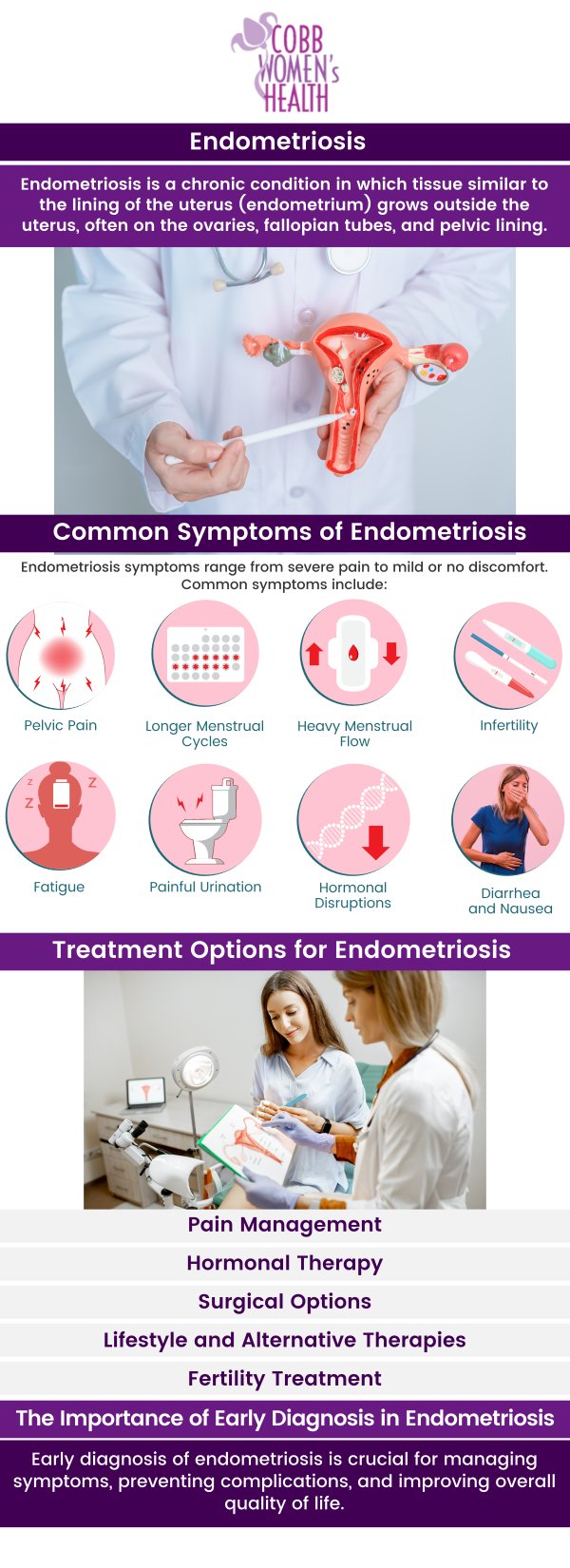
Table of Contents:
What are the different stages of endometriosis?
Can hormonal therapies help with endometriosis symptoms?
Can endometriosis be prevented?
How long does it take to get diagnosed with endometriosis?
Can endometriosis cause pain during intercourse?
Is there a link between endometriosis and menopause?
How can stress affect endometriosis symptoms?
What lifestyle changes can help manage endometriosis?
Can diet affect endometriosis symptoms?
Is it safe to exercise with endometriosis?
How does endometriosis impact mental health?
Is it common for women with endometriosis to experience depression or anxiety?
Can endometriosis cause chronic fatigue?
What are the long-term effects of untreated endometriosis?
How does endometriosis affect the bladder and bowel?
Can endometriosis symptoms improve after menopause?
How does endometriosis impact the immune system?
What should I do if I think I have endometriosis?
Endometriosis is a complex, chronic condition that often brings a heavy physical and emotional burden, leaving many feeling unheard and overwhelmed. Navigating the path from recognizing early symptoms to finding effective, long-term management strategies can be incredibly frustrating. To help demystify the condition and provide a solid foundation of knowledge, here is a straightforward guide addressing some of the most frequently asked questions about living with and managing endometriosis.
The endometriosis is classified into four stages: Stage I (Minimal), Stage II (Mild), Stage III (Moderate), and Stage IV (Severe). The staging is based on the location, depth, and amount of tissue, though it is important to note that a higher stage does not always equal a higher level of pain.
Yes, hormone treatments like birth control pills, patches, or specific intrauterine devices (IUDs) can significantly reduce pain. They work by slowing the growth of endometrial-like tissue and preventing new implants from forming.
Currently, there is no proven way to prevent endometriosis. However, managing your body’s estrogen levels through healthy lifestyle habits and certain medications might help lower the risk of developing severe complications.
Historically, it takes an average of 7 to 10 years from the onset of symptoms to receive a formal diagnosis. This delay often happens because severe pelvic pain is frequently normalized or misdiagnosed as other conditions.
Absolutely. Pain during or after sex (dyspareunia) is a hallmark symptom. It usually occurs because the physical movement stretches or pulls on inflamed tissue and internal scarring deep within the pelvis.
Yes. Because menopause naturally causes a drastic drop in estrogen, endometriosis symptoms usually subside during this time. However, in rare cases, symptoms can persist or be reactivated if you take hormone replacement therapy.
High stress levels trigger the release of cortisol, which can exacerbate inflammation and heighten your body’s perception of pain. Chronic stress also throws hormones out of balance, often making flare-ups more intense.
Prioritizing restorative sleep, utilizing heat therapy (like heating pads) for cramps, and practicing stress-reduction techniques like meditation or yoga can naturally help soothe discomfort and lower overall bodily inflammation.
Yes, an anti-inflammatory diet rich in fruits, vegetables, whole grains, and omega-3 fatty acids can help ease flare-ups. Many individuals also find relief by reducing their intake of red meat, gluten, dairy, and highly processed foods.
It is generally very safe and highly recommended. Low-impact exercises like walking, swimming, or stretching improve blood flow and release endorphins, which act as the body’s natural pain relievers.
Living with chronic, unpredictable pain and potential fertility challenges takes a heavy toll. It often leads to feelings of isolation, frustration, and a noticeable reduction in overall quality of life.
It is incredibly common. The relentless nature of the condition, combined with the frequent medical gaslighting and diagnostic delays many face, makes individuals significantly more prone to clinical anxiety and depression.
Yes, debilitating fatigue is a very frequently reported symptom. It stems from the body constantly exhausting its resources to fight internal inflammation, deal with chronic pain, and endure disrupted sleep patterns.
If left completely unmanaged, the condition can lead to the formation of dense internal scar tissue (adhesions), chronic and severe pelvic pain, structural damage to pelvic organs, and infertility.
If the tissue implants on these organs, it can cause extremely painful bowel movements, painful urination, cyclical diarrhea or constipation, and symptoms that closely mimic Irritable Bowel Syndrome (IBS).
Yes, they typically improve dramatically. The steep drop in ovarian estrogen production starves the endometrial-like tissue, usually causing it to shrink, stop bleeding, and become inactive.
Research suggests the immune system in individuals with this condition struggles to recognize and clear away the misplaced tissue. This allows the tissue to implant and triggers a continuous, localized inflammatory response.
You should schedule an appointment with a healthcare provider or a specialist who focuses on pelvic pain. Be prepared to discuss your specific symptoms and family history to explore imaging and medical management options.
Living with the persistent pelvic pain and complex challenges of endometriosis does not have to be your permanent reality, and you do not have to navigate this journey entirely on your own. Seeking a professional evaluation is the most crucial step toward understanding your body, addressing the root of your endometriosis symptoms, and finding a personalized management plan. At Cobb Women’s Health, Board-certified gynecologists, Dr. Nandita Mainthia, M.D., F.A.C.O.G., and Dr. Hitendra Hansalia, M.D, are dedicated to providing the compassionate care and expert guidance you need to effectively manage your endometriosis and reclaim your well-being. For more information, contact us today or schedule an appointment online. We are conveniently located at 1810 Mulkey Rd SW, Suite 102, Austell, GA 30106. We serve patients from Austell GA, Lithia Springs GA, Mableton GA, Powder Springs GA, Fair Oaks GA, Hiram GA, Clarkdale GA, Smyrna GA, Marietta GA and surrounding areas.

Check Out Our 5 Star Reviews


Additional Services You May Need


 Send Text
 How May I Help You?
