

Can Endometriosis Cause Heavy or Irregular Periods?
Endometriosis can cause heavy or irregular periods. The condition occurs when tissue similar to the uterine lining grows outside the uterus, leading to inflammation and scarring. This disrupts the normal menstrual process, often resulting in excessive bleeding or periods that are longer or shorter than usual. If you’re experiencing abnormal cycles, it’s important to consult with specialists like Dr. Nandita Mainthia, and Dr. Hitendra Hansalia, at Cobb Women’s Health to understand how endometriosis may be affecting your menstrual health. For more information, contact us today or request an appointment online. We are conveniently located at 1810 Mulkey Rd SW, Suite 102, Austell, GA 30106.
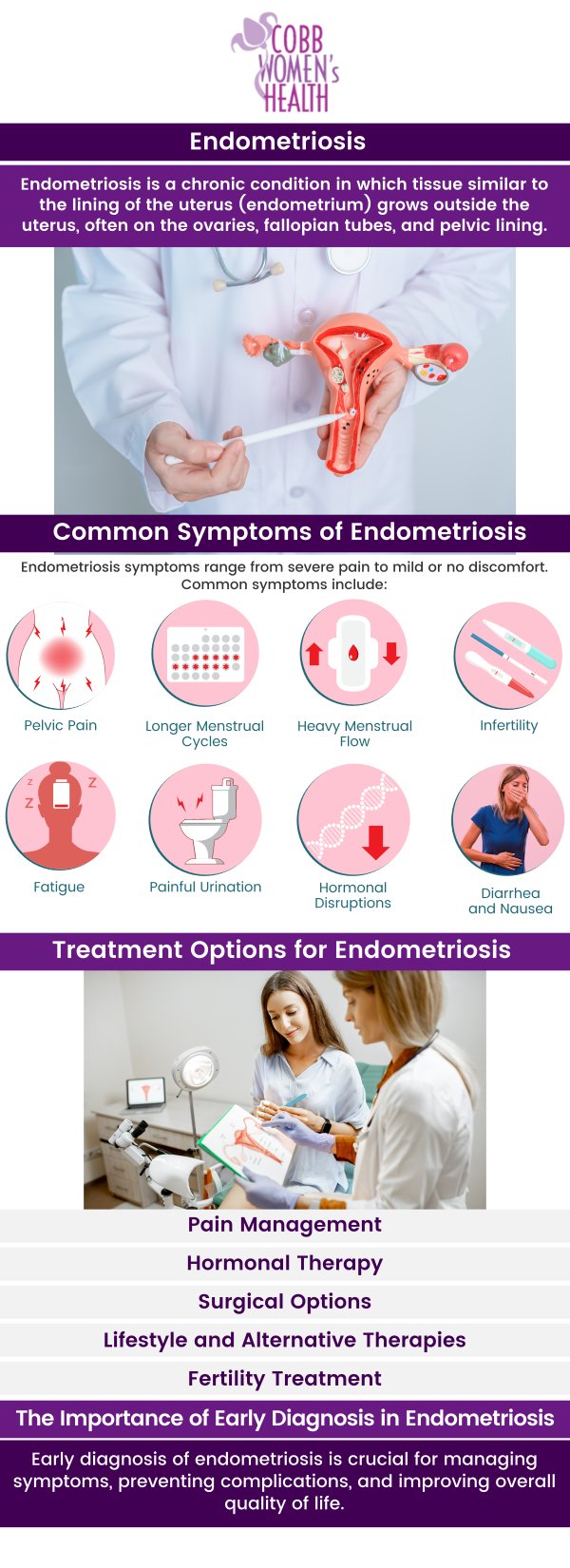
Table of Contents:
Why does endometriosis lead to irregular menstrual cycles?
Is heavy bleeding a common symptom of endometriosis?
Does the severity of endometriosis affect how heavy periods are?
Can hormonal changes from endometriosis disrupt cycle timing?
What other conditions can cause heavy or irregular periods besides endometriosis?
Understanding How Endometriosis Affects Your Menstrual Cycle with Dr. Mainthia & Dr. Hansalia
Endometriosis occurs when tissue similar to the lining of the uterus grows outside of it, often on the ovaries, fallopian tubes, or pelvic lining. This condition can lead to irregular menstrual cycles because the tissue outside the uterus still responds to hormonal changes in the same way as the uterine lining. However, since this tissue isn’t inside the uterus, it can’t be shed properly during menstruation, leading to inflammation, scar tissue, and adhesions. These factors disrupt the normal shedding process and can result in irregular periods, delayed cycles, or missed periods.
The presence of endometrial-like tissue in areas where it shouldn’t be can also cause the uterus to contract abnormally, leading to painful and irregular cycles. In some women, the hormonal imbalances associated with endometriosis, such as excess estrogen, can further contribute to cycle irregularity. If you are experiencing abnormal menstrual patterns, consulting with a specialist like Dr. Nandita Mainthia or Dr. Hitendra Hansalia at Cobb Women’s Health can help determine the underlying causes and provide effective treatment options for managing endometriosis and its impact on your cycle.
Yes, heavy bleeding, also known as menorrhagia, is a common symptom of endometriosis. In many women with this condition, the endometrial-like tissue outside the uterus reacts to hormonal fluctuations by thickening, breaking down, and bleeding during each cycle. However, unlike the normal endometrial tissue, which is shed during menstruation, the tissue outside the uterus has nowhere to go, causing internal bleeding and inflammation. This can lead to excessive bleeding during menstruation, as well as spotting between periods.
In addition to heavy periods, endometriosis can cause other symptoms such as pelvic pain, cramping, and painful intercourse. If you’re experiencing unusually heavy periods or suspect endometriosis, it’s important to seek medical advice. Dr. Nandita Mainthia and Dr. Hitendra Hansalia, board-certified gynecologists at Cobb Women’s Health, can help diagnose endometriosis and offer treatment options to manage bleeding, reduce inflammation, and address any associated symptoms.
Yes, the severity of endometriosis can directly influence how heavy a woman’s periods are. Women with more extensive forms of endometriosis, where the tissue has spread to larger areas of the pelvis or organs such as the ovaries or intestines, may experience more severe symptoms, including heavier bleeding. The inflammation and scarring caused by the condition can disrupt the normal function of the uterus and surrounding tissues, leading to excessive menstrual bleeding.
On the other hand, women with mild endometriosis may experience less heavy bleeding, though they may still face symptoms like pelvic pain or irregular cycles. The severity of the condition varies greatly among women, and so do the symptoms. If you are dealing with heavy periods and suspect endometriosis, it is important to consult a specialist like Dr. Nandita Mainthia or Dr. Hitendra Hansalia at Cobb Women’s Health. They will work with you to assess the severity of your endometriosis and tailor a treatment plan to help manage your symptoms effectively.
Yes, hormonal changes caused by endometriosis can disrupt the timing of your menstrual cycle. One of the key hormones involved in the menstrual cycle is estrogen, and in women with endometriosis, the body may produce an excess of estrogen, which fuels the growth of the endometrial-like tissue outside the uterus. This imbalance can lead to irregular ovulation, delayed or skipped periods, and other menstrual irregularities.
In addition to hormonal imbalances, the inflammation caused by endometrial tissue outside the uterus can affect the normal function of the reproductive organs, further contributing to cycle disruptions. As a result, women with endometriosis often experience longer or shorter cycles, missed periods, or periods that occur at irregular intervals. If you are experiencing cycle disruption and suspect endometriosis, visiting Dr. Nandita Mainthia or Dr. Hitendra Hansalia at Cobb Women’s Health can help you understand how hormonal changes are affecting your menstrual cycle and explore treatment options that can help restore regularity.
There are several conditions besides endometriosis that can cause heavy or irregular periods. One common cause is fibroids, which are noncancerous growths in or around the uterus that can lead to heavy bleeding, longer periods, and pelvic discomfort. Polycystic ovary syndrome (PCOS) is another condition that can result in irregular cycles due to hormonal imbalances that affect ovulation. Women with PCOS may experience missed periods or very heavy bleeding when they do have a period.
Other conditions such as thyroid disorders, stress, obesity, and certain medications can also lead to changes in menstrual patterns. Additionally, adenomyosis, which is similar to endometriosis but involves the uterine lining growing into the muscle of the uterus, can cause heavy bleeding and pain. If you’re experiencing abnormal periods, it’s important to speak with a healthcare provider to determine the cause. At Cobb Women’s Health, Dr. Nandita Mainthia and Dr. Hitendra Hansalia, both board-certified gynecologists, can help identify the cause of your symptoms and offer effective treatment options tailored to your needs.
Endometriosis is a condition where tissue similar to the lining of the uterus grows outside of it, causing a range of symptoms, including disruptions to the menstrual cycle. Women with endometriosis often experience irregular periods, heavy bleeding, and severe cramping due to the presence of endometrial-like tissue on other organs such as the ovaries and fallopian tubes. This tissue responds to hormonal changes, just like the uterine lining, but because it’s located outside the uterus, it can’t be shed during menstruation, leading to inflammation and abnormal bleeding patterns.
At Cobb Women’s Health, Dr. Nandita Mainthia and Dr. Hitendra Hansalia, both board-certified gynecologists, specialize in understanding how endometriosis impacts menstrual cycles and overall reproductive health. They work closely with patients to develop personalized treatment plans aimed at managing symptoms, including regulating menstrual cycles and addressing the underlying hormonal imbalances that contribute to irregular periods and heavy bleeding. If you’re experiencing abnormal cycles or suspect endometriosis, their expertise can help guide you to the appropriate diagnosis and treatment. For more information, contact us today or request an appointment online. We are conveniently located at 1810 Mulkey Rd SW, Suite 102, Austell, GA 30106. We serve patients from Austell GA, Lithia Springs GA, Mableton GA, Powder Springs GA, Fair Oaks GA, Hiram GA, Clarkdale GA, Smyrna GA, Marietta GA and surrounding areas.

Check Out Our 5 Star Reviews


Additional Services You May Need


 Send Text
 How May I Help You?
