

When Is the Best Time to Start Endometriosis Treatment in Austell, GA?
The best time to start endometriosis treatment is as soon as symptoms are noticed, even if they seem mild. Early intervention can help manage pain, reduce inflammation, and prevent the condition from worsening. At Cobb Women’s Health in Austell, GA, we work with you to develop a personalized treatment plan based on your unique symptoms and goals. Starting treatment early can improve your quality of life and help you manage the long-term effects of endometriosis, with guidance from Board-Certified Dr. Nandita Mainthia and Dr. Hitendra Hansalia. For more information, contact us today or request an appointment online. We are conveniently located at 1810 Mulkey Rd SW Suite 102, Austell, GA 30106.
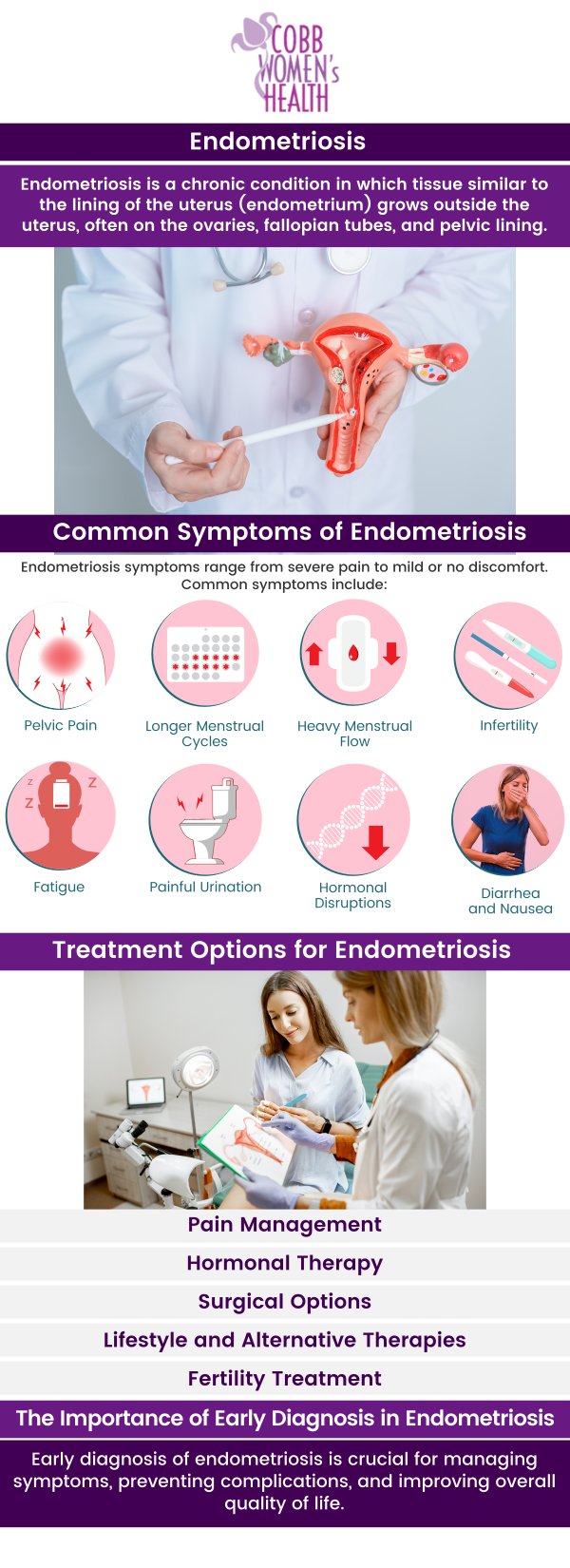
Table of Contents:
What signs indicate it’s time to begin endometriosis treatment?
When is it too late to start treatment for endometriosis?
When is the best time to start endometriosis treatment if my pain is manageable?
Is there a specific age or stage in life when it’s best to start treatment for endometriosis?
Dr. Nandita Mainthia and Dr. Hitendra Hansalia Help You Decide the Right Time for Endometriosis Treatment
Endometriosis can be a challenging condition to diagnose, as its symptoms often overlap with other conditions. However, there are several key signs that indicate it’s time to begin treatment for endometriosis. The most common sign is chronic pelvic pain, particularly during menstruation. If your pain becomes more intense, frequent, or lasts longer than usual, it may be a sign that your endometriosis symptoms are worsening and treatment is needed.
Another sign that it’s time to begin treatment is heavy or irregular menstrual bleeding. If your periods are significantly heavier than usual, or if you experience bleeding between periods, it may indicate that endometrial tissue is causing excessive bleeding. This can lead to anemia, fatigue, and other complications, making timely treatment essential.
Pain during or after intercourse is another indication that endometriosis treatment may be needed. This pain, known as dyspareunia, is common among women with endometriosis, as the tissue growth can affect the ovaries, fallopian tubes, and other pelvic organs. If this pain is impacting your quality of life, it may be time to seek treatment options to address the condition.
Infertility is a significant reason to begin treatment for endometriosis. Studies suggest that about 30-50% of women with endometriosis struggle with infertility. If you’re trying to conceive and have been unsuccessful, or if you have difficulty maintaining a pregnancy, seeking treatment can improve your chances of conceiving and help manage the underlying condition.
If you experience any of these symptoms, it’s important to consult with your healthcare provider. Early diagnosis and treatment can help reduce the severity of endometriosis and improve long-term outcomes. Working with a healthcare provider who understands the complexities of endometriosis can ensure that your treatment plan is tailored to your specific needs.
Endometriosis is a chronic condition, and while treatment can significantly reduce symptoms and improve quality of life, starting treatment later rather than sooner can lead to more severe symptoms and complications. It is rarely “too late” to begin treatment for endometriosis, but the sooner treatment is initiated, the better the outcomes are likely to be.
One of the main concerns of delaying treatment is the progression of the disease. Endometriosis can worsen over time, leading to more extensive tissue growth, more severe pain, and a higher risk of infertility. Delayed treatment may result in the need for more aggressive interventions to remove endometrial lesions or cysts, which could otherwise have been managed with medication or lifestyle changes.
Chronic pain and complications from untreated endometriosis can also affect a woman’s mental health, leading to depression, anxiety, and a reduced quality of life. If left untreated, the impact of endometriosis on physical and emotional health can be debilitating. Women may also experience more significant scarring in the pelvic region, which can lead to organ damage and complications with fertility.
However, it is important to note that even if you’ve been living with endometriosis for years, it is not too late to begin treatment. Many women find relief after starting treatment, even later in life. The goal of treatment is to reduce pain, prevent further tissue growth, and manage symptoms, regardless of the stage of the condition. It’s crucial to start treatment as soon as symptoms are recognized, to avoid the development of more severe complications.
By consulting with your healthcare provider early and starting treatment as soon as you notice symptoms, you can minimize the long-term effects of endometriosis and improve your quality of life. It’s never too late to seek help, but early intervention is key to managing this chronic condition.
If you’re living with endometriosis but find that your pain is manageable, it may be tempting to delay seeking treatment. However, even if your pain is currently under control, it’s still important to consider starting treatment as soon as possible. The key to successful management of endometriosis is early intervention. Beginning treatment early can help reduce the risk of the condition worsening and prevent complications that could arise later on.
The best time to start treatment is as soon as you are diagnosed with endometriosis, even if your symptoms are mild or manageable. While pain may not be overwhelming initially, endometriosis can gradually progress and become more severe over time. Starting treatment early can help prevent the tissue growth from spreading or worsening, which could lead to more severe pain, fertility issues, and other complications.
Additionally, early treatment can help you manage your symptoms before they escalate. For instance, managing pain with medication, physical therapy, and lifestyle changes early on can help keep the condition under control and prevent the need for more invasive treatments later. By addressing symptoms proactively, you can avoid disruptions to your daily life and maintain a better quality of life.
Another important reason to start treatment early, even if your pain is manageable, is to protect your fertility. Endometriosis is a leading cause of infertility, and if you plan to conceive in the future, beginning treatment now may help preserve fertility and improve your chances of a successful pregnancy. Taking steps to manage the condition early on can also improve your chances of successful conception later.
Ultimately, if you’re diagnosed with endometriosis, it’s a good idea to consult with a healthcare provider about treatment options, even if you’re not experiencing significant pain. Early intervention can help reduce future risks and complications, ensuring that you’re better equipped to manage your condition long-term.
There is no one-size-fits-all answer to when the best time is to start treatment for endometriosis, as each individual’s experience with the condition is unique. However, there are certain life stages and factors that can influence the timing of treatment. Early diagnosis and intervention are generally beneficial at any stage of life, but certain considerations can affect the timing of treatment.
For young women, especially those in their teens or early 20s, it’s important to begin treatment as soon as symptoms are identified. Early treatment can help manage the pain associated with endometriosis and prevent long-term complications. In this age group, endometriosis may not be immediately suspected due to its subtle symptoms, such as painful periods or pelvic discomfort. However, if symptoms are noticed and diagnosed, starting treatment early can help control the condition before it progresses, which is crucial for managing fertility later in life.
For women in their 30s, particularly those who are considering starting a family, it’s important to begin treatment early to preserve fertility. Endometriosis can significantly impact a woman’s ability to conceive, and starting treatment before fertility becomes a concern can help mitigate these effects. If endometriosis is left untreated, it may result in scarring or adhesions that can block the fallopian tubes or cause other complications, making it more difficult to become pregnant. Early intervention can improve the chances of conceiving and reduce the risk of infertility.
In women in their 40s, treatment is often necessary to manage symptoms that may have worsened over time. At this stage, many women are preparing for menopause, and while endometriosis symptoms may subside as estrogen levels decrease, many women still experience significant discomfort. For women in this age group, treatment may involve symptom management and preventing the condition from progressing further, especially if fertility is no longer a concern.
Ultimately, the best time to start treatment for endometriosis is as soon as symptoms are recognized, regardless of age or stage in life. Early treatment can help manage symptoms, prevent complications, and improve quality of life, no matter where you are in your reproductive journey.
Dr. Nandita Mainthia and Dr. Hitendra Hansalia at Cobb Women’s Health are dedicated to helping women navigate the complexities of endometriosis and decide the right time for treatment. With their expertise, they assess each patient’s unique symptoms and lifestyle, guiding them through the decision-making process. They understand that the timing of treatment can significantly impact symptom management and long-term health, and work closely with patients to determine the best approach based on individual needs and goals.
Whether you’re experiencing mild symptoms or more severe pain, Dr. Mainthia and Dr. Hansalia offer compassionate, personalized care to ensure that treatment is tailored to your specific condition. They take into consideration factors such as pain severity, fertility plans, and quality of life, ensuring that you feel supported in your decision. By providing clear guidance and evidence-based options, they empower you to make informed choices about when to start treatment for endometriosis. For more information, contact us today or request an appointment online. We are conveniently located at 1810 Mulkey Rd SW Suite 102, Austell, GA 30106. We serve patients from Austell GA, Lithia Springs GA, Mableton GA, Powder Springs GA, Fair Oaks GA, Hiram GA, Clarkdale GA, Smyrna GA, Marietta GA and surrounding areas.

Check Out Our 5 Star Reviews


Additional Services You May Need


 Send Text
 How May I Help You?
