

PMOS vs. PCOS: Why Metabolic Health Matters
PMOS (Polyendocrine Metabolic Ovarian Syndrome), formerly known as PCOS, is a complex hormonal condition that can affect menstrual cycles, insulin sensitivity, weight regulation, and reproductive health. Understanding the connection between hormonal changes and metabolic health is essential for recognizing potential concerns, including insulin resistance, elevated blood sugar, and long-term cardiovascular risks. At Cobb Women’s Health, Board certified Dr. Nandita Mainthia, MD, FACOG, and Dr. Hitendra Hansalia, MD, FACOG emphasizes comprehensive gynecological evaluations, individualized care, and ongoing health monitoring to help women manage PMOS symptoms and support their overall well-being. Contact us for more information or schedule an appointment. We are conveniently located at 1810 Mulkey Rd SW, Suite 102, Austell, GA 30106.
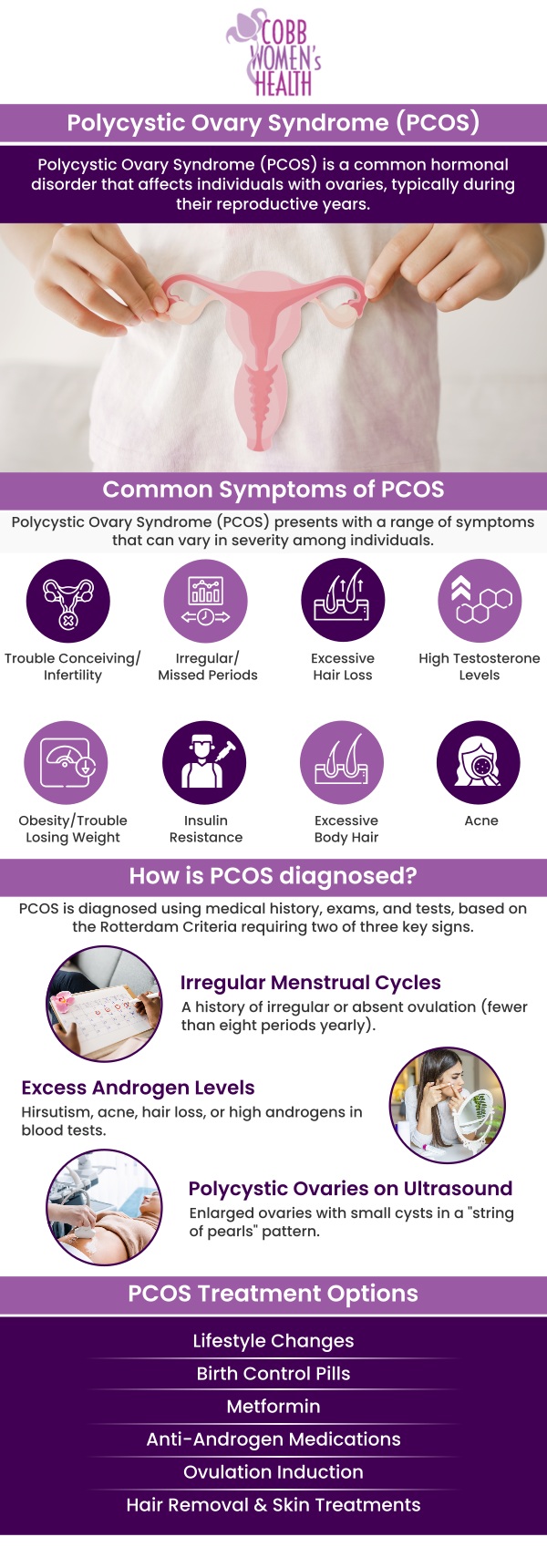
Table of Contents:
Why is PCOS now being referred to as PMOS?
How can PMOS affect hormone balance and menstrual cycles?
How is PMOS evaluated differently from ovarian concerns alone?
How do lifestyle factors influence metabolic health in women with PMOS?
What is the difference between PMOS and PCOS?
How does the new name PMOS better explain the condition than PCOS?
Does the diagnosis of PMOS differ from the previous diagnosis of PCOS?
Does the name change from PCOS to PMOS affect existing diagnoses or treatment plans?
How do Dr. Nandita Mainthia and Dr. Hitendra Hansalia approach PMOS management at Cobb Women’s Health?
Polycystic Ovary Syndrome (PCOS) was officially renamed Polyendocrine Metabolic Ovarian Syndrome (PMOS) in May 2026 to better represent the condition’s effects on hormonal balance, metabolic function, and reproductive health. The previous name primarily emphasized ovarian cysts, even though many women with the condition do not have them. The updated terminology provides a more accurate understanding of its complex nature and recognizes that PMOS affects multiple systems throughout the body.
The name PMOS highlights the relationship between hormonal imbalances, insulin resistance, menstrual irregularities, weight changes, and reproductive concerns. It also emphasizes the importance of evaluating metabolic health alongside ovarian function rather than focusing exclusively on ovarian appearance. Although the terminology has changed, PMOS and PCOS refer to the same medical condition, and existing diagnostic criteria and treatment recommendations remain unchanged.
At Cobb Women’s Health, our team recognizes the importance of comprehensive gynecological care for women experiencing PMOS symptoms. We emphasize individualized evaluations, hormonal health assessments, and personalized management strategies.
Polyendocrine Metabolic Ovarian Syndrome (PMOS), previously called PCOS, can disrupt hormonal balance, ovulation, and menstrual cycles. Women with PMOS may experience elevated androgen levels, which can interfere with normal egg development and release. These hormonal changes may contribute to irregular menstrual periods, acne, excessive facial or body hair growth, and difficulty predicting ovulation.
PMOS can also influence the balance of estrogen, progesterone, and other hormones involved in regulating menstrual cycles. When ovulation occurs infrequently or does not occur, women may experience delayed periods, skipped cycles, unpredictable bleeding, or prolonged menstrual intervals. Insulin resistance, which commonly occurs alongside PMOS, can further contribute to hormonal disturbances. Persistent irregular ovulation may also affect fertility and increase the risk of endometrial thickening. However, symptoms vary, and not every woman experiences the same menstrual or hormonal changes.
At Cobb Women’s Health, our team understands the importance of identifying hormonal and menstrual concerns associated with PMOS. Board-certified gynecologists Dr. Nandita Mainthia and Dr. Hitendra Hansalia emphasize personalized evaluations to better understand each patient’s symptoms, menstrual history, metabolic health, and reproductive goals. Through appropriate assessments, individualized management strategies, and ongoing guidance, our clinic aims to help women manage hormonal imbalances, improve menstrual health, and support their long-term well-being.
Polyendocrine Metabolic Ovarian Syndrome (PMOS), formerly known as Polycystic Ovary Syndrome (PCOS), requires a comprehensive evaluation that extends beyond examining the ovaries. Unlike assessments focused primarily on ovarian cysts or structural abnormalities, PMOS evaluation considers hormonal imbalances, menstrual irregularities, metabolic health, and reproductive concerns.
Hormonal and metabolic assessments are important components of PMOS evaluation. Depending on individual symptoms, gynecologists may recommend blood tests to assess androgen levels, thyroid function, blood sugar regulation, and cholesterol levels. Pelvic ultrasound or other appropriate assessments may help evaluate ovarian characteristics when needed. However, PMOS can be diagnosed without visible ovarian changes, and ultrasound is not always necessary. Evaluating metabolic factors also helps identify potential concerns such as insulin resistance, type 2 diabetes risk, and cardiovascular health.
At Cobb Women’s Health, our team emphasizes personalized gynecological evaluations that consider both reproductive and metabolic well-being. Board-certified gynecologists Dr. Nandita Mainthia and Dr. Hitendra Hansalia focus on understanding each patient’s symptoms, medical history, and long-term health needs. Through individualized assessments, appropriate diagnostic testing, and ongoing guidance, our clinic aims to help women better understand PMOS and make informed decisions about managing hormonal symptoms, menstrual health, and metabolic concerns.
Lifestyle habits play an important role in managing Polyendocrine Metabolic Ovarian Syndrome (PMOS), also known as Polycystic Ovary Syndrome (PCOS). Women may experience insulin resistance, hormonal changes, and weight fluctuations, and an increased risk of metabolic concerns such as type 2 diabetes and cardiovascular disease. Healthy daily routines can help improve insulin sensitivity, support hormonal balance, and promote long-term metabolic health.
Key lifestyle factors that influence metabolic health in women with PMOS include:
• Balanced Nutrition: Eating a nutritious diet that includes whole grains, lean proteins, healthy fats, fruits, and vegetables can support stable blood sugar levels, improve insulin sensitivity, and promote hormonal health.
• Regular Physical Activity: Engaging in activities such as walking, swimming, cycling, and strength training can improve insulin function, support cardiovascular health, and help maintain a healthy weight.
• Healthy Weight Management: For women who would benefit from weight management, sustainable lifestyle changes may improve insulin resistance, menstrual regularity, and metabolic health.
• Consistent Health Monitoring: Regular evaluations of blood sugar, cholesterol, blood pressure, and other metabolic indicators can help identify potential concerns early and guide appropriate management strategies.
At Cobb Women’s Health, our dedicated team emphasizes individualized care to help women understand how lifestyle choices influence PMOS symptoms and metabolic health. Through comprehensive gynecological evaluations, practical lifestyle guidance, and personalized management strategies, we aim to support hormonal balance, reproductive wellness, and long-term overall health.
What is the difference between PMOS and PCOS?
PMOS (Polyendocrine Metabolic Ovarian Syndrome) is the new name for PCOS (Polycystic Ovary Syndrome). Both refer to the same condition, but PMOS better reflects its effects on hormonal balance, metabolism, ovarian function, and overall reproductive health.
The term PMOS highlights that the condition involves multiple hormonal and metabolic systems rather than just ovarian cysts. It provides a broader understanding of associated concerns, including insulin resistance, menstrual irregularities, and fertility challenges.
No, the diagnostic criteria for PMOS remain the same as those previously used for PCOS. Gynecologists continue to evaluate menstrual patterns, signs of elevated androgen levels, and ovarian characteristics while ruling out other possible conditions.
No, women with an existing PCOS diagnosis do not require reassessment simply because the condition has been renamed. Existing treatment plans generally remain appropriate, with individualized care continuing to address hormonal symptoms, metabolic health, and reproductive concerns.
At Cobb Women’s Health, board-certified gynecologist Dr. Nandita Mainthia takes a personalized approach to managing Polyendocrine Metabolic Ovarian Syndrome (PMOS), also referred to as PCOS. Dr. Mainthia focuses on understanding each patient’s hormonal symptoms, menstrual irregularities, metabolic concerns, and reproductive goals. Her approach emphasizes comprehensive evaluations, individualized treatment planning, and practical guidance to help women manage symptoms and support their long-term reproductive health.
Board-certified gynecologist Dr. Hitendra Hansalia provides patient-centered PMOS management by addressing concerns such as irregular menstrual cycles, hormonal imbalances, insulin resistance, and fertility challenges. At Cobb Women’s Health in Austell, GA, our skilled team is committed to compassionate gynecological care, helping women make informed decisions about their hormonal, metabolic, and reproductive well-being.
Contact us for more information or schedule an appointment. We are conveniently located at 1810 Mulkey Rd SW, Suite 102, Austell, GA 30106. We serve patients from Austell GA, Lithia Springs GA, Mableton GA, Powder Springs, GA, Fair Oaks GA, Hiram GA, Clarkdale GA, Smyrna GA, Marietta, GA, and surrounding areas.

Check Out Our 5 Star Reviews


Additional Services You May Need


 Send Text
 How May I Help You?

