

How to Read Pap Smear Results Step by Step
Reading your Pap smear results begins with understanding the categories provided. If the results are normal, it means no abnormalities were found. Abnormal results, such as ASC-US or LSIL, may require further testing to determine the cause. For more serious abnormalities like HSIL, additional procedures, such as a colposcopy, may be recommended to assess the situation and guide next steps. Always consult your healthcare provider at Cobb Women’s Health, Dr. Nandita Mainthia, and Dr. Hitendra Hansalia, both board-certified gynecologists, to discuss the implications of your results and any follow-up care needed. For more information, contact us today or request an appointment online. We are conveniently located at 1810 Mulkey Rd SW, Suite 102, Austell, GA 30106.
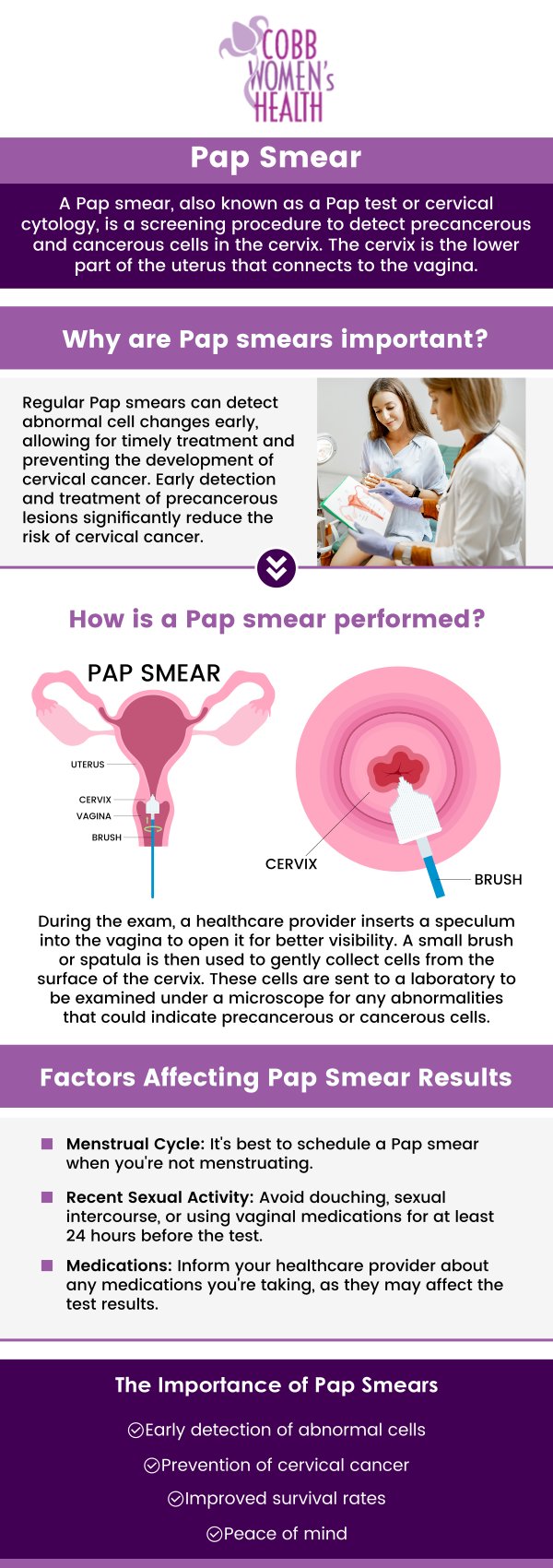
Table of Contents:
How do I read my Pap smear results?
What does HPV-positive mean on a Pap smear result?
When should I be concerned about my Pap smear results?
What follow-up tests are recommended after abnormal Pap smear results?
How to Read and Act on Your Pap Smear Results with Dr. Nandita Mainthia & Dr. Hitendra Hansalia
Understanding your Pap smear results can be confusing, but breaking it down step by step can help. When you receive your results, they will typically include one of the following categories:
• Normal (Negative) – This means no abnormal cells were found, and your cervical health is good. You may be advised to schedule your next Pap smear in a few years, depending on your age and risk factors.
• Atypical Squamous Cells of Undetermined Significance (ASC-US) – This result means that some cells appear abnormal, but it’s not clear if they are concerning. Further testing, such as an HPV test, may be recommended to rule out the presence of high-risk strains of the virus.
• Low-Grade Squamous Intraepithelial Lesion (LSIL) – This indicates mild changes in the cells, often caused by HPV infection. Most of these changes go away on their own, but your doctor may suggest follow-up testing to monitor the situation.
• High-Grade Squamous Intraepithelial Lesion (HSIL) – This result suggests more significant changes, which could indicate precancerous cells. Additional testing, such as a colposcopy or biopsy, may be necessary to determine the next steps.
• Atypical Glandular Cells (AGC) – This indicates abnormal cells in the glandular tissue of the cervix or endometrium. Further evaluation is usually required to determine the cause.
Remember that your healthcare provider will guide you through your results, helping you understand what they mean in the context of your health history. If you have any concerns or need clarification, don’t hesitate to reach out to your provider for more information and to discuss any next steps.
At Cobb Women’s Health, we understand that receiving an HPV-positive Pap smear result can be concerning. Our team is here to help you understand what this means and guide you through the next steps for your health.
A Pap smear is a routine screening tool we use at Cobb Women’s Health to check for abnormal changes in the cells of your cervix. In many cases, we also recommend tests for certain types of human papillomavirus (HPV)—a very common virus that is transmitted through sexual contact. Some types of HPV are considered “high-risk” because they have been linked to the development of cervical cancer and other related conditions.
If your Pap smear comes back as “HPV-positive,” it means that one or more high-risk types of HPV were found in your cervical cells, even if those cells look normal under the microscope. This does not mean you have cervical cancer. However, it does indicate that you are at a higher risk for developing cervical changes in the future.
The good news is that most HPV infections clear up on their own without causing any health problems. However, sometimes the infection persists, which is why regular screening at Cobb Women’s Health is so important. Persistent infection with a high-risk HPV type can eventually lead to abnormal cell changes, and if left untreated over time, may increase the risk for cervical cancer.
If you receive an HPV-positive result at Cobb Women’s Health, your provider will review your Pap smear results, medical history, and individual risk factors. Based on this information, we may recommend:
• More frequent Pap and HPV testing
• Additional testing, such as a colposcopy (an in-office procedure to examine your cervix more closely)
• Immediate treatment, if abnormal cells are found
Our goal at Cobb Women’s Health is to catch any changes early, so they can be managed effectively before they become a serious problem.
If you have questions about your Pap smear or HPV results, or if you need to schedule a follow-up, please contact our office. The expert team at Cobb Women’s Health is here to support you and provide the personalized care you deserve.
At Cobb Women’s Health, we understand that undergoing a Pap smear can be a source of anxiety, especially while waiting for your results. A Pap smear is an important screening tool we use to detect abnormal cell changes in the cervix—changes that could indicate infection, inflammation, or, in rare cases, the potential for cervical cancer.
After your Pap smear at our office, our experienced healthcare providers will carefully review your results and explain what they mean for your health. It’s important to remember that not all abnormal findings mean cancer. If your results show high-grade changes—such as a high-grade squamous intraepithelial lesion (HSIL) or atypical glandular cells—these findings suggest a higher risk for precancer or cancer of the cervix. In this case, your Cobb Women’s Health provider will likely recommend further testing, such as a colposcopy or a biopsy, to get more information.
Some Pap smear results may indicate the presence of high-risk types of human papillomavirus (HPV). These specific types of HPV are more likely to cause cervical cancer over time, so we may suggest closer monitoring or additional exams to ensure your ongoing health.
If your results come back as “unsatisfactory” or “inconclusive,” it simply means the sample couldn’t be properly evaluated. We may ask you to return to Cobb Women’s Health to repeat the test, so we can be sure we have accurate information.
In many cases, mild abnormalities—like low-grade squamous intraepithelial lesions (LSIL) or atypical squamous cells of undetermined significance (ASC-US)—resolve on their own. Your provider will discuss whether repeat testing or further evaluation is needed, based on your age and medical history.
You should be especially attentive if:
• You receive a call from our office to schedule additional testing
• Your provider recommends a colposcopy
• You experience symptoms such as abnormal vaginal bleeding, pelvic pain, or unusual discharge, especially alongside abnormal Pap results
At Cobb Women’s Health, we are committed to guiding you every step of the way. If you have any questions or concerns about your Pap smear results, please don’t hesitate to contact us. Early detection and timely follow-up are key to preventing the development of cervical cancer, and our team is here to support your health at every stage.
If you receive abnormal Pap smear results at Cobb Women’s Health, our providers will work closely with you to determine the next steps for your care. One of the most common follow-up tests we may recommend is the HPV (human papillomavirus) test, which checks for high-risk types of HPV associated with cervical cancer. If your Pap smear and HPV test results are both concerning, or if your Pap smear shows more significant abnormalities, we may suggest a procedure called colposcopy.
During a colposcopy at Cobb Women’s Health, your provider will use a special magnifying instrument to examine your cervix more closely. If any areas appear abnormal, we may take a small tissue sample (biopsy) to help us better understand your condition. In cases where your results show only minor changes and you are considered low-risk, we may recommend repeating your Pap smear and/or HPV test in six to twelve months to monitor for any changes.
At Cobb Women’s Health, our team is committed to early detection and prevention of cervical cancer. These follow-up tests help us identify any precancerous changes as early as possible, so we can provide you with the most effective care. Your provider will discuss your results and guide you through your personalized care plan, ensuring you understand every step of the process.
Reading your Pap smear results can be an important step in understanding your cervical health. At Cobb Women’s Health, Dr. Nandita Mainthia and Dr. Hitendra Hansalia, both board-certified gynecologists, guide patients through interpreting results. If your results are normal, you may only need routine screenings in the future. However, if the results show abnormalities, such as ASC-US or LSIL, further testing like an HPV test or a colposcopy, may be recommended to monitor or investigate the changes.
It’s important to act on the results promptly, as early detection of any issues can lead to better outcomes. For more serious results, such as HSIL or atypical glandular cells, Dr. Mainthia and Dr. Hansalia will provide personalized recommendations based on your specific needs. At Cobb Women’s Health, you can feel confident that your care will be tailored to ensure the best possible health outcomes. For more information, contact us today or request an appointment online. We are conveniently located at 1810 Mulkey Rd SW, Suite 102, Austell, GA 30106. We serve patients from Austell GA, Lithia Springs GA, Mableton GA, Powder Springs GA, Fair Oaks GA, Hiram GA, Clarkdale GA, Smyrna GA, Marietta GA and surrounding areas.

Check Out Our 5 Star Reviews


Additional Services You May Need


 Send Text
 How May I Help You?
