

Delayed Menstruation: Causes, Diagnosis, & Treatment in Austell, GA
Delayed menstruation can be caused by various factors, including hormonal imbalances, stress, weight changes, or underlying medical conditions. At Cobb Women’s Health in Austell, GA, Board-Certified Dr. Nandita Mainthia, and Dr. Hitendra Hansalia provide thorough evaluations to diagnose the root cause of menstrual irregularities. Treatment options are personalized, focusing on restoring hormonal balance and addressing any underlying issues. Their compassionate care helps women regain regular menstrual cycles and improve overall reproductive health. For more information, contact us today or request an appointment online. We are conveniently located at 1810 Mulkey Rd SW Suite 102, Austell, GA 30106.
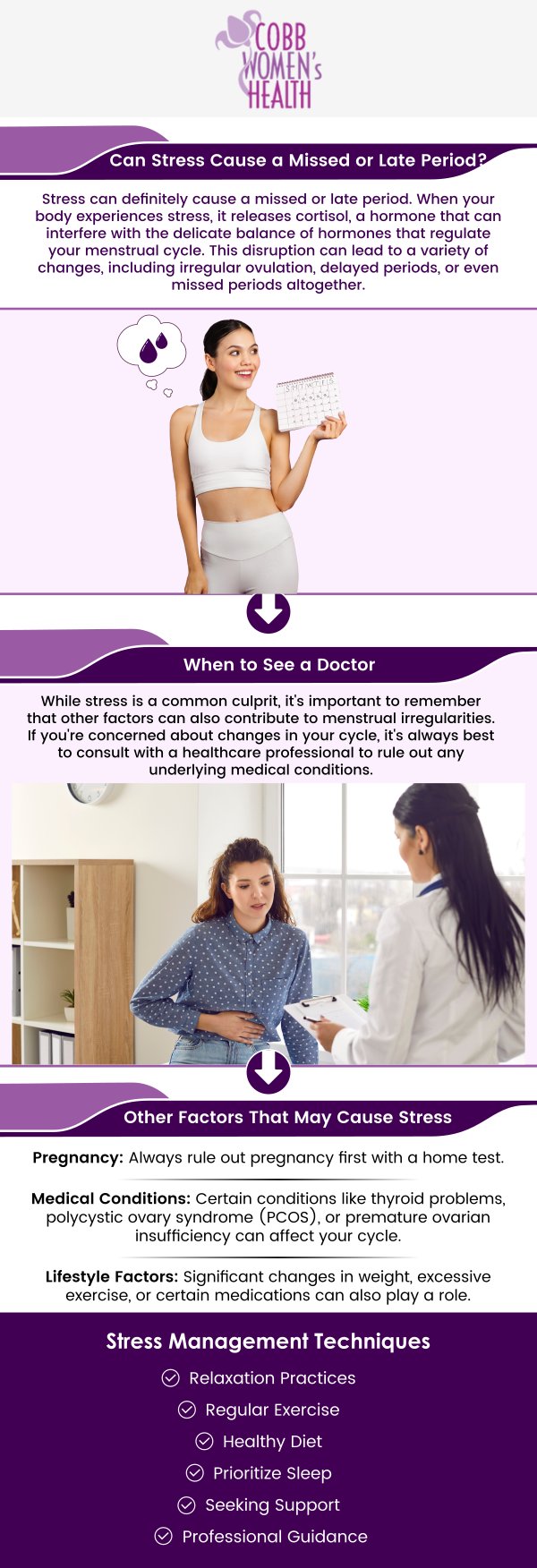

Table of Contents:
What is delayed menstruation?
What are the most common causes of a delayed period?
What symptoms are associated with delayed menstruation?
When should I worry about a delayed period?
Is it normal to have a period delay occasionally?
Diagnosing and Treating Delayed Menstruation in Austell, GA, with Board-Certified Dr. Mainthia & Dr. Hansalia at Cobb Women’s Health
Delayed menstruation occurs when your period does not arrive at its expected time, typically more than seven days later than usual. While the menstrual cycle can vary from woman to woman, most cycles range between 21 to 35 days. Various factors can contribute to a delayed period, such as hormonal imbalances, stress, significant weight changes, increased physical activity, or underlying health conditions like polycystic ovary syndrome (PCOS) or thyroid disorders.
If you experience frequent delays in your cycle or notice symptoms like severe pain or abnormal bleeding, it’s important to seek medical advice. At Cobb Women’s Health in Austell, GA, Dr. Nandita Mainthia and Dr. Hitendra Hansalia offer comprehensive evaluations and personalized care to identify the cause of delayed menstruation and recommend appropriate treatment options. We are committed to helping you restore regular cycles and achieve optimal reproductive health.
A delayed period can be caused by several factors, and while pregnancy is often the most common concern, there are many other potential reasons for menstrual irregularities.
Below are some of the most common causes of a delayed period:
• Hormonal Imbalances: Hormonal fluctuations are one of the most frequent causes of a delayed period. Conditions like polycystic ovary syndrome (PCOS) or thyroid disorders (such as hypothyroidism or hyperthyroidism) can affect hormone levels, leading to irregular or delayed cycles. The balance of estrogen and progesterone is crucial for regulating menstruation, and when these hormones are out of balance, it can cause delays.
• Stress: Both emotional and physical stress can impact the body’s hormonal balance, leading to delayed menstruation. Stress activates the body’s “fight or flight” response, which can interfere with the brain’s signals to the ovaries and disrupt the normal menstrual cycle.
• Significant Weight Changes: Rapid weight loss or gain can also cause a delayed period. Extreme dieting, eating disorders, or significant changes in body fat can affect the hypothalamus, the part of the brain that regulates menstrual cycles. Similarly, obesity can lead to hormonal imbalances that may disrupt the timing of menstruation.
• Excessive Physical Activity: Intense exercise, particularly in athletes or those undergoing rigorous training, can cause changes in hormone levels that delay periods. A low body fat percentage, often seen in individuals who overtrain, can interfere with the production of reproductive hormones.
• Medications: Certain medications, such as birth control, antidepressants, or chemotherapy drugs, can affect your menstrual cycle. If you have recently started or stopped a medication, this could be a reason for a delayed period.
• Perimenopause: For women approaching menopause, changes in the menstrual cycle are common. Perimenopause can lead to irregular cycles, and it’s not uncommon for periods to be delayed or skipped entirely.
If your period is delayed, it’s important to evaluate these potential factors. Consulting a healthcare provider is key to identifying the underlying cause and finding the most appropriate treatment plan.
Delayed menstruation can be associated with various symptoms, which may vary depending on the underlying cause. While the primary symptom is the absence of a period, there are other signs that can accompany a delayed cycle:
• Irregular Bleeding: Women with delayed periods may experience lighter or heavier bleeding when their period eventually arrives. Some may have spotting or breakthrough bleeding between cycles, which can indicate hormonal imbalances or other reproductive issues.
• Painful Menstruation: Delayed periods can sometimes be accompanied by severe cramps or pelvic pain when menstruation does begin. This can be a sign of underlying conditions like fibroids, endometriosis, or PCOS, which may disrupt the menstrual cycle.
• Changes in Hormonal Symptoms: Hormonal changes often trigger symptoms such as acne, mood swings, irritability, and fatigue. These symptoms are common in conditions like PCOS or thyroid imbalances, which can also cause delayed periods.
• Unexplained Weight Gain or Loss: Significant changes in weight, either gain or loss, can accompany delayed menstruation. These changes often reflect hormonal imbalances that disrupt the normal cycle.
• Changes in Hair Growth: In cases where delayed periods are caused by PCOS or thyroid issues, women may notice changes in hair growth patterns, such as excessive hair on the face or body (hirsutism).
• Excessive Fatigue: Hormonal disruptions affecting menstruation can also cause fatigue, making it harder for women to feel rested or energized, even with adequate sleep.
If delayed menstruation is accompanied by any of these symptoms, it’s important to seek medical advice. A healthcare provider can help determine the cause and provide appropriate treatment options.
At Cobb Women’s Health, we understand that a delayed period can be concerning, especially if your menstrual cycles are usually regular. However, it’s important to know that fluctuations in your cycle are fairly common and can happen for many reasons. A period is generally considered delayed if it hasn’t started more than five to seven days after your expected date.
Common reasons for a late period include stress, significant weight changes, increased physical activity, recent illness, changes in birth control, or hormonal imbalances such as polycystic ovary syndrome (PCOS) or thyroid disorders.
If you typically have regular cycles and miss more than one period without a clear reason, or if you experience symptoms such as severe pain, unusual vaginal discharge, fever, or heavy bleeding, it’s important to schedule an appointment with our team.
Patients with underlying medical conditions affecting their cycles, or those experiencing symptoms of menopause before the age of 40, should also discuss these symptoms with us.
At Cobb Women’s Health, your well-being is our priority. While a single late period is often nothing to worry about, persistent changes or concerning symptoms deserve attention. Our experienced providers are here to help you understand your cycle and address any underlying issues. If you have questions or concerns about your menstrual health, don’t hesitate to call us and schedule a consultation.
At Cobb Women’s Health, we understand that occasional delays in your menstrual period are a common experience for many women. It’s normal for your cycle to vary from time to time—factors such as stress, significant changes in weight, excessive exercise, illness, travel, and hormonal fluctuations can all cause your period to arrive a few days late, or even skip a month.
Certain medications and underlying medical conditions, including polycystic ovary syndrome (PCOS) or thyroid disorders, may also affect the regularity of your menstrual cycle. While an occasional late period is usually not a cause for concern, frequent irregularities or missed periods can sometimes indicate a more significant health issue.
Diagnosing and treating delayed menstruation requires a thorough evaluation of each patient’s unique medical history and symptoms. At Cobb Women’s Health in Austell, GA, Board-Certified Gynecologists Dr. Nandita Mainthia, M.D, F.A.C.O.G, and Dr. Hitendra Hansalia, M.D, F.A.C.O.G, specialize in diagnosing the underlying causes of delayed periods. Using advanced diagnostic tools, they assess factors such as hormonal imbalances, lifestyle influences, and underlying conditions like PCOS or thyroid disorders. Their personalized approach ensures that every patient receives tailored care to address their specific needs and concerns.
Treatment for delayed menstruation at Cobb Women’s Health is comprehensive and designed to restore balance to the menstrual cycle. Dr. Mainthia and Dr. Hansalia provide solutions that may include lifestyle modifications, medication, or other therapies aimed at regulating the menstrual cycle. Whether the cause is stress, weight changes, or a more complex medical condition, their team offers expert guidance and support. Women in Austell, GA, and surrounding areas can trust Cobb Women’s Health to provide compassionate, effective care for menstrual health, helping patients return to a regular and healthy cycle. For more information, contact us today or request an appointment online. We are conveniently located at 1810 Mulkey Rd SW Suite 102, Austell, GA 30106! We serve patients from Austell GA, Lithia Springs GA, Mableton GA, Powder Springs GA, Fair Oaks GA, Hiram GA, Clarkdale GA, Smyrna GA, Marietta GA and surrounding areas.

Check Out Our 5 Star Reviews


Additional Services You May Need


 Send Text
 How May I Help You?
