

Do Normal Blood Tests Show STDs?
At Cobb Women’s Health, we offer safe, professional, and confidential STD screening, treatment, and management. While normal blood tests are not designed to specifically show sexually transmitted infections (STDs), our team provides targeted testing for various STDs to ensure accurate results. Whether you’re concerned about potential exposure or want to take proactive steps for your health, Board-Certified Dr. Nandita Mainthia and Dr. Hitendra Hansalia are here to provide compassionate care and reliable testing options. For more information, contact us today or book an appointment online. We are conveniently located at 1810 Mulkey Rd SW #102, Austell, GA 30106.
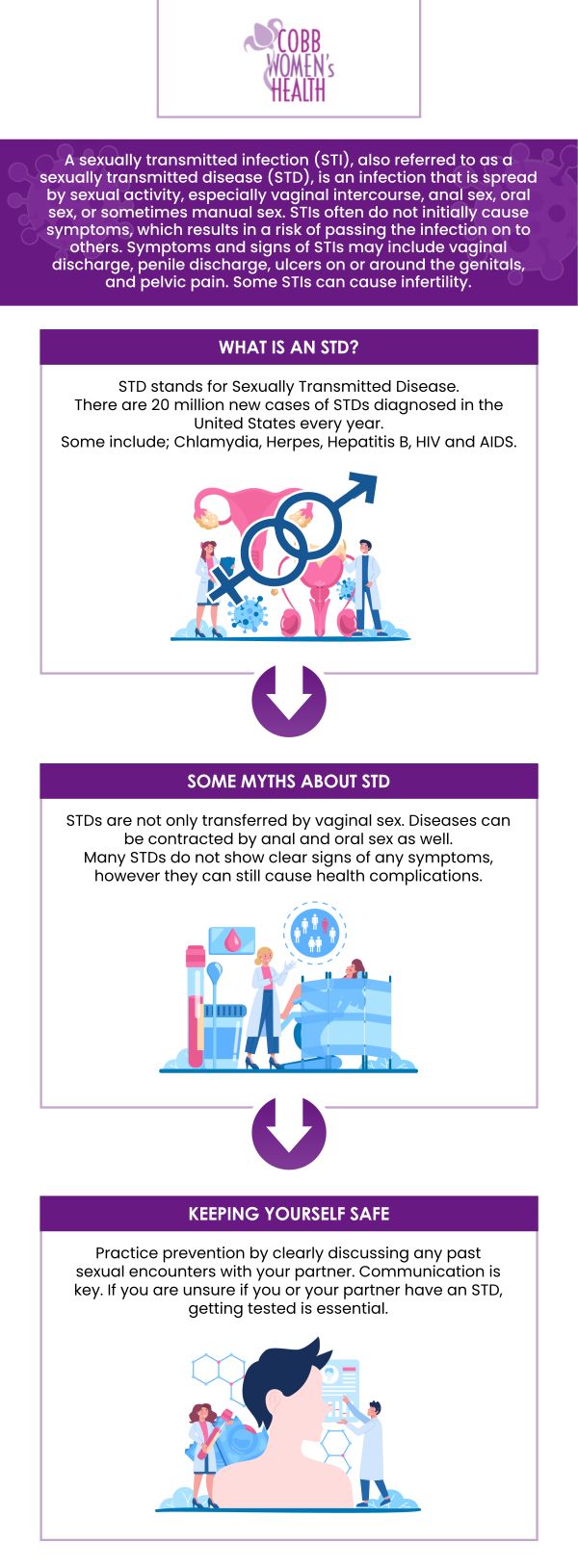
Table of Contents:
What are the first signs of an STD?
Do normal blood tests show STD results?
When do STDs show up on a blood test?
Which STDs are detected by blood tests?
Sexually transmitted infections (STIs), also known as sexually transmitted diseases (STDs), occur when bacteria, viruses, or parasites infect your body through contact with contaminated bodily fluids during sexual activity. These fluids can include blood, urine, semen, saliva, and mucus, which are exchanged during oral, vaginal, or anal sex. While some STIs show visible symptoms, others do not, which is why regular testing is essential for sexually active individuals. Early detection and treatment can prevent the spread of STIs to others and help protect your health.
STDs can have a wide range of symptoms that vary depending on the type of infection. Some people may not show symptoms at all, making regular testing crucial. However, common signs of an STI may include:
• Skin rashes
• Unexplained aches and pains
• Painful sores, bumps, or warts around the genital area or mouth
• Diarrhea
• Fever or chills
• Painful urination
• Frequent urination or vaginal bleeding outside of your period
• Vaginal discharge with an unusual color, odor, or texture
• Swelling around the genital area
• Pain during sex
It’s important to note that some STIs, like chlamydia and gonorrhea, may not present symptoms but can still cause long-term damage if left untreated. If you notice any of these symptoms or suspect exposure to an STI, schedule an appointment with a healthcare provider as soon as possible.
STD testing is not typically included in routine blood tests, but can be conducted with specialized bloodwork. Standard blood panels do not check for the presence of sexually transmitted diseases, so it’s essential to inform your healthcare provider if you’re concerned about possible exposure to an STI.
To receive a thorough STD screening, a conversation with your doctor is necessary, including sharing your sexual history and symptoms. Depending on your situation, your provider may recommend additional tests, including urine tests, pap smears, or swab tests for more accurate results. Be proactive in asking for the appropriate tests to ensure your health is protected.
After contracting an STI, the infection may not immediately show up in blood tests due to the body’s immune response. This period between exposure and detectable levels of antibodies is known as the incubation period. During this time, the body is producing antibodies in response to the infection, and a test may return false-negative results if performed too early.
The length of the incubation period varies depending on the type of infection, ranging from a few days to several weeks. For instance, chlamydia may take up to 21 days, while HIV may take 2-4 weeks before antibodies are detectable in a blood test. Testing too soon could lead to inaccurate results, so your healthcare provider will guide you on the best time to test.
Blood tests are commonly used to detect several STDs, particularly viral infections. These include:
HIV: A blood test is essential for detecting HIV, as antibodies may take weeks to develop.
Hepatitis B and C: Both can be diagnosed through blood tests that look for specific antibodies or antigens.
Herpes (HSV): Blood tests can detect antibodies for both oral and genital herpes infections.
Syphilis: Blood tests are used to identify syphilis-causing bacteria or the body’s immune response to them.
CMV (Cytomegalovirus): A blood test can detect this viral infection, which can be transmitted sexually and cause complications.
Certain STDs, like gonorrhea or chlamydia, are more effectively detected through urine or swab tests. To ensure a comprehensive diagnosis, your healthcare provider will assess your symptoms, sexual history, and may recommend a combination of blood, urine, and swab tests.
At Cobb Women’s Health, we offer discreet, professional, and safe STD screening to help safeguard your physical, sexual, and emotional health.
Get Tested for STDs at Cobb Women’s Health
At Cobb Women’s Health, we understand the importance of regular and discreet STD testing for your sexual and overall health. Whether you have symptoms or simply wish to be proactive, our team, led by Board-Certified Dr. Nandita Mainthia and Dr. Hitendra Hansalia, offers comprehensive and confidential screening services. Contact us today to schedule your STD test and take control of your health with confidence.
At Cobb Women’s Health, we understand the importance of early detection and accurate testing when it comes to sexually transmitted diseases (STDs). While normal blood tests typically do not include STD screenings, our board-certified gynecologists, Dr. Nandita Mainthia, M.D., F.A.C.O.G, and Dr. Hitendra Hansalia, M.D., offer specialized testing tailored to your health needs. Whether you’re concerned about a possible exposure or are seeking regular screening, our team provides comprehensive, discreet, and reliable STD testing to help protect your sexual health.
With years of expertise, Dr. Mainthia and Dr. Hansalia are committed to providing compassionate care and expert advice. At Cobb Women’s Health, we prioritize your privacy and ensure that all tests are performed with the utmost confidentiality and professionalism. If you’re sexually active or have concerns about potential exposure, scheduling an appointment with our board-certified team is the first step toward peace of mind and optimal health. For more information, contact us today or request an appointment online. We are conveniently located at 1810 Mulkey Rd SW Suite 102, Austell, GA 30106! We serve patients from Austell GA, Lithia Springs GA, Mableton GA, Powder Springs GA, Fair Oaks GA, Hiram GA, Clarkdale GA, Smyrna GA, Marietta GA and surrounding areas.

Check Out Our 5 Star Reviews


Additional Services You May Need


 Send Text
 How May I Help You?
