

What Is Endometriosis and How Does It Affect Your Health?
Endometriosis is a chronic gynecological condition where tissue similar to the uterine lining grows outside the uterus, often affecting the ovaries, fallopian tubes, and pelvic lining. This condition can lead to pelvic pain, heavy periods, pain during intercourse, and fertility challenges. At Cobb Women’s Health in Austell, GA, Board-certified gynecologists Dr. Nandita Mainthia, M.D, F.A.C.O.G, and Dr. Hitendra Hansalia, M.D, F.A.C.O.G, focus on accurate diagnosis and personalized care to help patients better understand symptoms, manage discomfort, and protect long-term reproductive health. For more information, contact us today or request an appointment online. We are conveniently located at 1810 Mulkey Rd SW Suite 102, Austell, GA 30106.
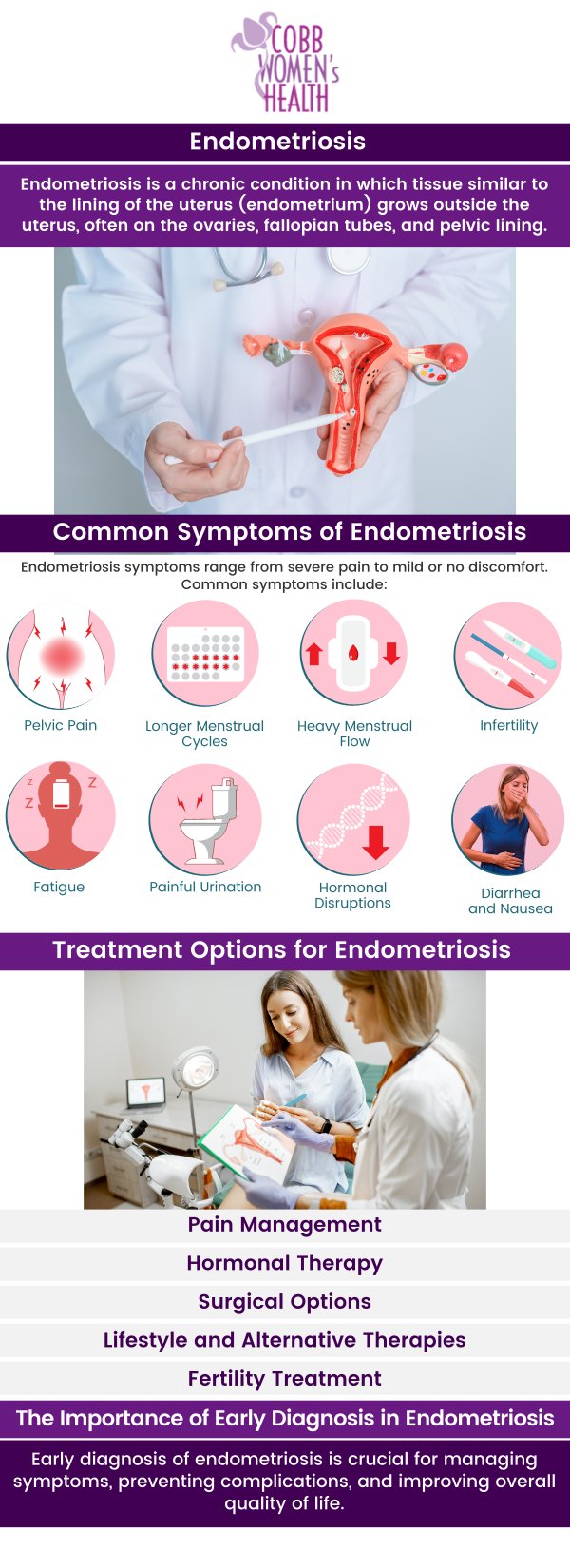
Table of Contents:
Can endometriosis cause pain during sex?
What are the treatment options for endometriosis?
How is endometriosis managed long-term?
Can endometriosis return after surgery?
Understanding Endometriosis: Treatment Options with Dr. Nandita Mainthia, MD, FACOG & Dr. Hitendra Hansalia, MD, FACOG at Cobb Women’s Health in Austell, GA
Pain during sex is a common and distressing concern for many people with endometriosis. This discomfort, often called dyspareunia, can affect both physical comfort and emotional well-being, making it important to understand why it happens and when to seek care. Endometriosis occurs when tissue similar to the uterine lining grows outside the uterus.
These growths can lead to pain during intercourse due to several factors, including:
• Inflammation in the pelvic area that increases sensitivity
• Scar tissue and adhesions that limit the normal movement of pelvic organs
• Endometriosis lesions located behind the uterus, near the ovaries, or along ligaments are involved during deep penetration
• Ongoing pelvic pain that may worsen during or after sex
Patients often describe endometriosis-related pain as:
• Deep pelvic pain during penetration
• Sharp or aching discomfort that lingers after intercourse
• Pain that worsens around the menstrual cycle
• A pulling or pressure sensation in the lower abdomen
Pain during sex is not something you should ignore or “push through.” Persistent or worsening discomfort may signal underlying endometriosis or another pelvic condition that needs evaluation. At Cobb Women’s Health, our providers take a patient-centered approach to understanding intimate pain concerns. We focus on listening, accurate diagnosis, and personalized care planning to help improve comfort, confidence, and quality of life. Early evaluation can help you take the next step toward relief and better reproductive health.
At Cobb Women’s Health, we recognize how challenging endometriosis can be for our patients. Endometriosis is a chronic condition in which tissue similar to the lining inside the uterus grows outside the uterus, leading to pain, irregular periods, and sometimes infertility. Our team is dedicated to providing compassionate, evidence-based care to help manage your symptoms and improve your quality of life.
Endometriosis treatment focuses on reducing pain, managing symptoms, and improving quality of life. Because symptoms and goals vary from person to person, treatment is often personalized based on pain severity, age, and future fertility plans.
Common treatment options for endometriosis include:
• Pain management
Over-the-counter or prescription pain relievers may help reduce pelvic pain, menstrual cramps, and discomfort during daily activities. These are often used alongside other treatments rather than alone.
• Hormonal therapy
Hormone-based treatments aim to slow the growth of endometriosis tissue and reduce inflammation. These options may help regulate or suppress menstrual cycles, which can lessen pain over time.
• Minimally invasive surgery
Minimally invasive surgery may be recommended to remove or reduce endometriosis tissue and scar formation. This option is often considered when symptoms persist despite medication or when diagnosis confirmation is needed.
• Fertility-focused care
For patients trying to conceive, treatment plans are carefully adjusted to balance symptom relief with reproductive goals. Surgical or medical approaches may be tailored accordingly.
• Ongoing symptom management
Long-term care may include lifestyle guidance, follow-up monitoring, and adjustments to treatment as symptoms or life stages change.
At Cobb Women’s Health, we take a patient-centered approach to endometriosis care. Our team works closely with each patient to explain options clearly, answer questions, and develop a plan that aligns with individual needs and long-term health goals.
We understand that medical and surgical treatments are only part of managing endometriosis. Regular follow-ups with us help ensure your treatment plan evolves with your needs and goals.
Long-term management of endometriosis focuses on controlling symptoms, reducing flare-ups, and supporting overall quality of life. Because endometriosis is a chronic condition, care is typically ongoing and adapted over time as symptoms, health goals, and life stages change. Key approaches to long-term endometriosis management include:
• Ongoing symptom monitoring
Regular follow-up visits help track pain levels, menstrual changes, and response to treatment. Adjustments are made as needed to keep symptoms well-controlled.
• Hormonal management strategies
Long-term use of hormonal therapies may help suppress endometriosis activity, reduce inflammation, and limit disease progression for some patients.
• Periodic pain management support
Pain control plans may be adjusted over time to address flare-ups, daily discomfort, or changes in symptom patterns.
• Surgical follow-up when needed
For patients who have had surgery, continued monitoring is important to manage symptoms and watch for recurrence. Additional treatment may be considered if symptoms return.
• Lifestyle and wellness support
Nutrition, stress management, physical activity, and pelvic health strategies may play a role in supporting comfort and overall well-being alongside medical care.
At Cobb Women’s Health, we partner with patients to create sustainable, personalized management plans for endometriosis. Our team emphasizes education, open communication, and coordinated care to help patients maintain control over symptoms and make informed decisions at every stage. Ongoing, patient-focused care can make a meaningful difference in managing symptoms and protecting your reproductive health.
At Cobb Women’s Health, we understand how challenging living with endometriosis can be. Endometriosis is a chronic condition where tissue similar to the lining of the uterus grows outside the uterus, leading to pain and sometimes fertility issues. Our experienced providers are dedicated to working with you to find the most effective treatment for your unique situation.
Endometriosis can return after surgery for some individuals, even when the procedure successfully removes visible endometrial tissue. Surgery is often performed to reduce pain and improve quality of life, but it does not eliminate the underlying tendency for endometrial-like tissue to grow outside the uterus. In some cases, microscopic areas of tissue may remain undetected during surgery, which can later grow and cause symptoms to return. Hormonal factors and the body’s natural inflammatory response can also play a role in recurrence over time.
After surgery, ongoing monitoring of symptoms is important to support long-term health and comfort. Some people may notice relief for years, while others experience symptoms returning sooner. Paying attention to changes such as recurring pelvic discomfort, painful periods, or digestive symptoms can help identify recurrence early. A personalized, long-term approach focused on symptom awareness and regular medical follow-up can help manage endometriosis effectively over time.
Regular follow-up visits at Cobb Women’s Health are essential for monitoring your symptoms and managing your condition over the long term. We believe in empowering our patients with information and support. While surgery can provide significant relief, understanding the risk of recurrence can help you make informed decisions about your care. We are here to guide you through every step—providing expert care, individualized treatment plans, and ongoing support.
Understanding endometriosis starts with recognizing that treatment is highly individualized and based on each patient’s symptoms, goals, and overall health. At Cobb Women’s Health in Austell, GA, Board-Certified Dr. Nandita Mainthia, MD, FACOG, and board-certified Dr. Hitendra Hansalia, MD, FACOG, provide patient-focused care centered on education, clear communication, and individualized planning. Each visit includes a thoughtful evaluation to help patients understand how endometriosis may impact daily life and long-term well-being.
Management options for endometriosis are guided by symptom patterns, lifestyle considerations, and ongoing monitoring. Dr. Mainthia and Dr. Hansalia work closely with patients to develop flexible care plans that can evolve as needs change. Through regular follow-up and supportive guidance, Cobb Women’s Health helps patients stay informed and confident in managing endometriosis with clarity and continuity of care.
For more information, contact us today or request an appointment online. We are conveniently located at 1810 Mulkey Rd SW Suite 102, Austell, GA 30106. We serve patients from Austell GA, Lithia Springs GA, Mableton GA, Powder Springs GA, Douglasville GA, Fair Oaks GA, Hiram GA, Clarkdale GA, Smyrna GA, and Marietta GA.

Check Out Our 5 Star Reviews


Additional Services You May Need


 Send Text
 How May I Help You?
